
There was a time when politicians sought headlines because they had accomplished something. Today, too many seek headlines simply to become the story.
America has entered the age of performative politics, where performance too often eclipses public service. Governing often comes second to going viral. The incentive is no longer to solve problems but to dominate the news cycle, build a following, and create the next political spectacle.
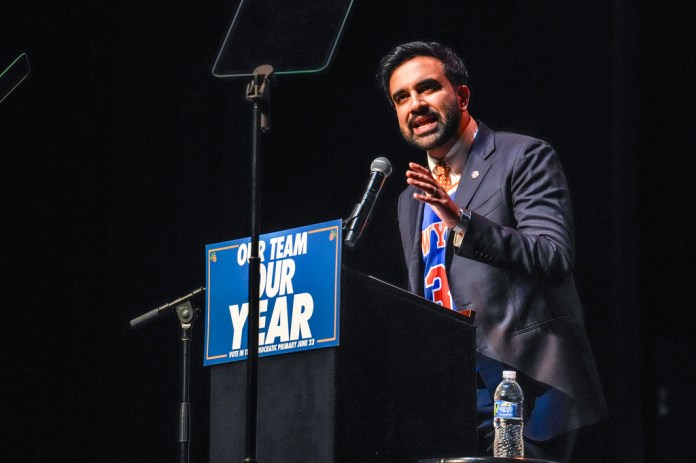
This week’s comments from New York City Mayor Zohran Mamdani are the latest reminder of just how dramatically our politics have changed.
ARREST MAMDANI, NOT NETANYAHU
For years, Mamdani repeatedly declared, often confidently and without hesitation, that if Israeli Prime Minister Benjamin Netanyahu came to New York, he would have him arrested pursuant to the International Criminal Court’s warrant. He made the claim interview after interview, presenting it not as a hypothetical or political aspiration, but as something he intended to do. This week, however, that rhetoric collided with legal reality. The Office of the Mayor of New York City has no legal authority to carry out such an arrest.
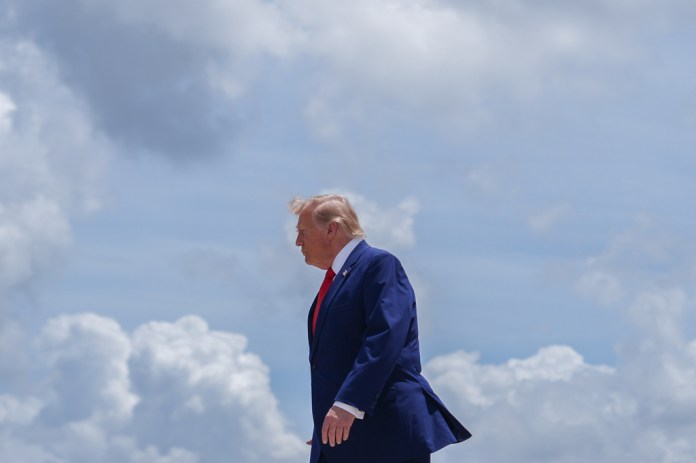
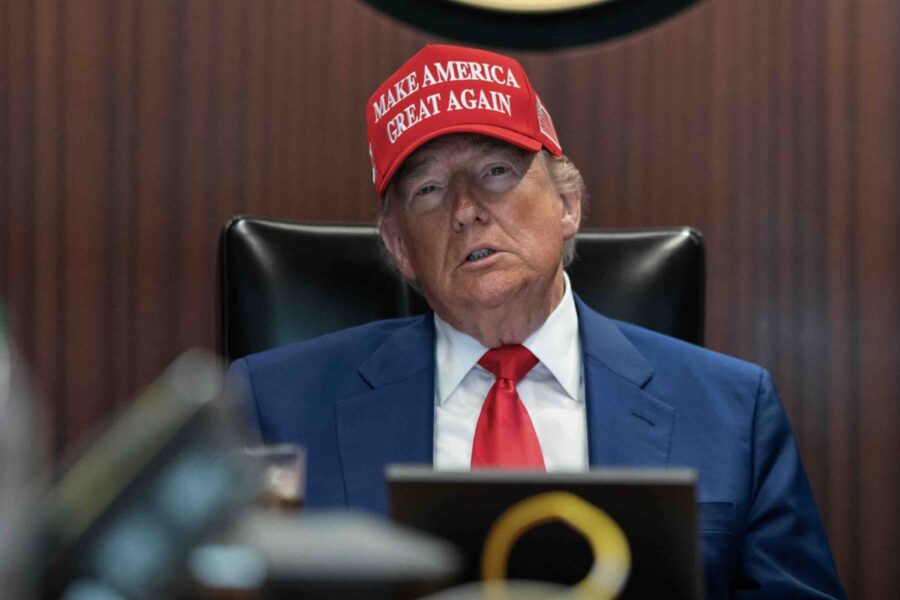
The controversy quickly reached the national stage. President Donald Trump weighed in on Truth Social, writing, “Benjamin Netanyahu will not be arrested, in any way, shape, or form, while in the United States of America.” The statement underscored what should have been apparent from the outset. The Office of the Mayor of New York City has no legal authority to arrest a visiting foreign head of government.
If that authority never existed, why spend years making a promise that could never be fulfilled?
Because in today’s politics, creating the spectacle has become more valuable than delivering the result.
The answer reveals something much bigger than one politician. It reveals what politics has become.
Just last week, Rep. Ro Khanna (D-CA) made national headlines with his visit to the West Bank, known to many Israelis and Jews as Judea and Samaria. Whatever one’s views on the visit itself, it illustrated the same political reality. Today, inserting yourself into one of the world’s most polarizing conflicts is often one of the fastest ways to command national attention.
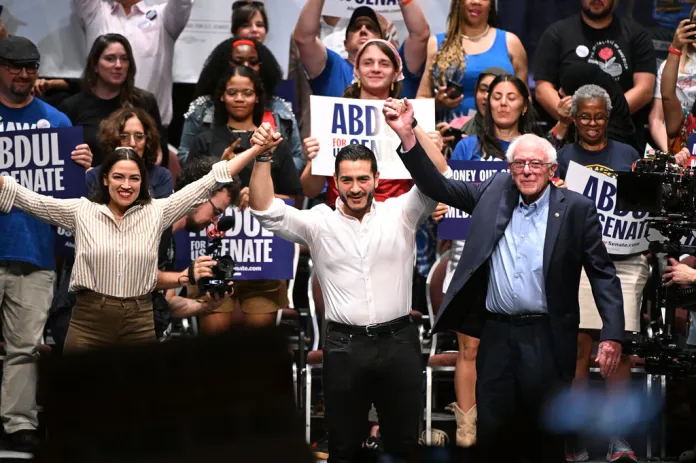
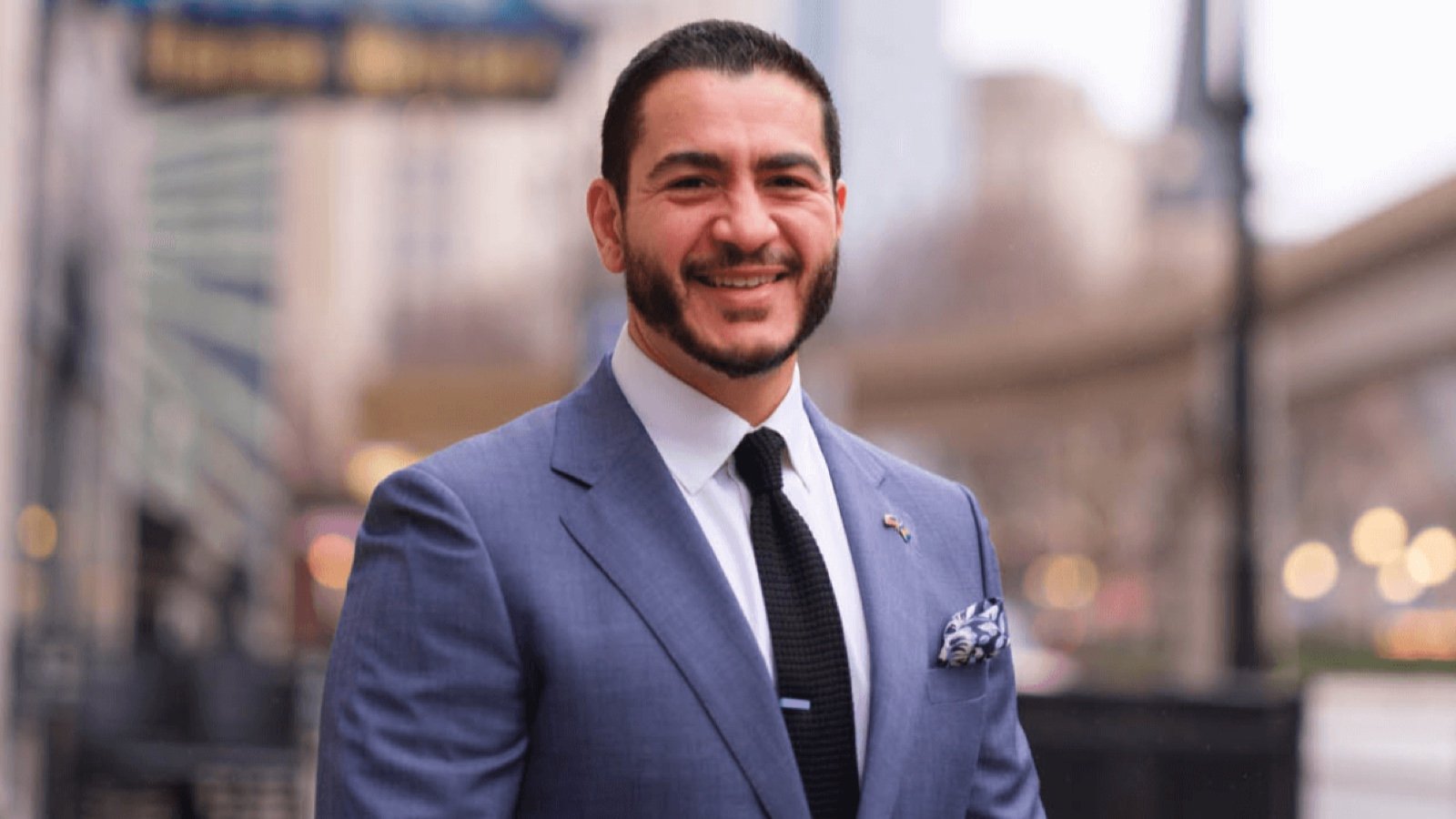
Michigan politician Abdul El-Sayed offers another example of how today’s political incentives often reward controversy over judgment. Rather than distancing himself from Hasan Piker after the commentator’s infamous remark that “America deserved 9/11,” El-Sayed chose to campaign alongside him, arguing that appearing with someone does not mean endorsing everything they have said. Whether one agrees with that explanation or not, it reflects the same broader political reality. Provocative associations and headline-grabbing controversies increasingly generate more attention than thoughtful governance.
No one elected the mayor of New York City to conduct foreign policy. New Yorkers elected their mayor to make their city safer, more affordable, and better managed. Likewise, members of Congress are elected to legislate and represent their constituents, not to compete for the next viral political moment.
Yet, today’s political incentives reward something very different. The loudest statement often receives the greatest attention, the most controversial sound bite becomes the day’s headline, and the politician who dominates the news cycle frequently gains the biggest platform. Politicians once became nationally known because they accomplished something. Today, becoming nationally known too often appears to be the accomplishment itself.
Israel has become one of the easiest stages on which to perform this new style of politics. That should concern every American because this is no longer simply about Israel. It is about the incentives shaping our political culture.
Social media has fundamentally changed public life. Quiet competence rarely trends, while solving local problems seldom goes viral. Instead, provocative statements about international conflicts can command millions of views within minutes. Every interview becomes content, every controversy becomes branding, and every microphone becomes another opportunity to grow a political following rather than build public trust.
That shift carries consequences beyond politics itself.
At a time when antisemitism is rising across the United States, elected officials should recognize that their rhetoric does not exist in a vacuum. Criticism of Israel, as with criticism of any democratic government, is entirely legitimate. However, repeatedly turning Israel into the centerpiece of political theater creates an environment where the world’s only Jewish state becomes less a subject of thoughtful foreign policy debate and more a convenient political prop. That atmosphere inevitably spills over onto Jewish communities here at home and reinforces the dangerous reality that minority communities often become collateral damage in our increasingly performative political culture.
Americans deserve leaders who understand that public office is about serving constituents, not cultivating a national brand. Politics was never meant to be a popularity contest, nor should success be measured by who generates the loudest headline or dominates the news cycle. It should be measured by results, integrity, and a willingness to tackle the difficult work of governing.
NEW YORK’S MAYOR ISN’T THE WORLD POLICE — SOMEONE SHOULD TELL ZOHRAN MAMDANI
Social media itself is not the problem. It is one of the most powerful communication tools ever created. It can educate, inspire, connect communities, and bring people together across political, religious, and cultural divides. Used responsibly, it allows leaders to communicate directly with the people they serve, promote constructive dialogue, and build understanding rather than division. The problem arises when the pursuit of clicks, outrage, and viral moments becomes more valuable than honest leadership, and when inflammatory rhetoric is rewarded even as it fuels hostility toward communities already facing rising hatred and discrimination.
The tragedy is not simply that politics has become louder. It is that governing has become quieter. We can change that, but only if we begin rewarding leaders who use their platforms to solve problems rather than manufacture controversy, who leverage social media to inform rather than inflame, and who understand that public service is measured not by the size of their following but by the trust they earn from the people they represent. In the end, the question is not who won the news cycle. It is whether anyone actually made the country stronger.
Ariella Noveck is a journalist specializing in antisemitism and Middle East affairs, with extensive experience covering Jewish communities worldwide.
Continue reading...
[ H/T Washington Examiner ]