







Colorado has spent years expanding a college-benefit system for students who are in the country illegally.
President Trump’s Justice Department just put that system in front of a federal judge — and the price gap described in the government’s complaint is impossible to ignore.
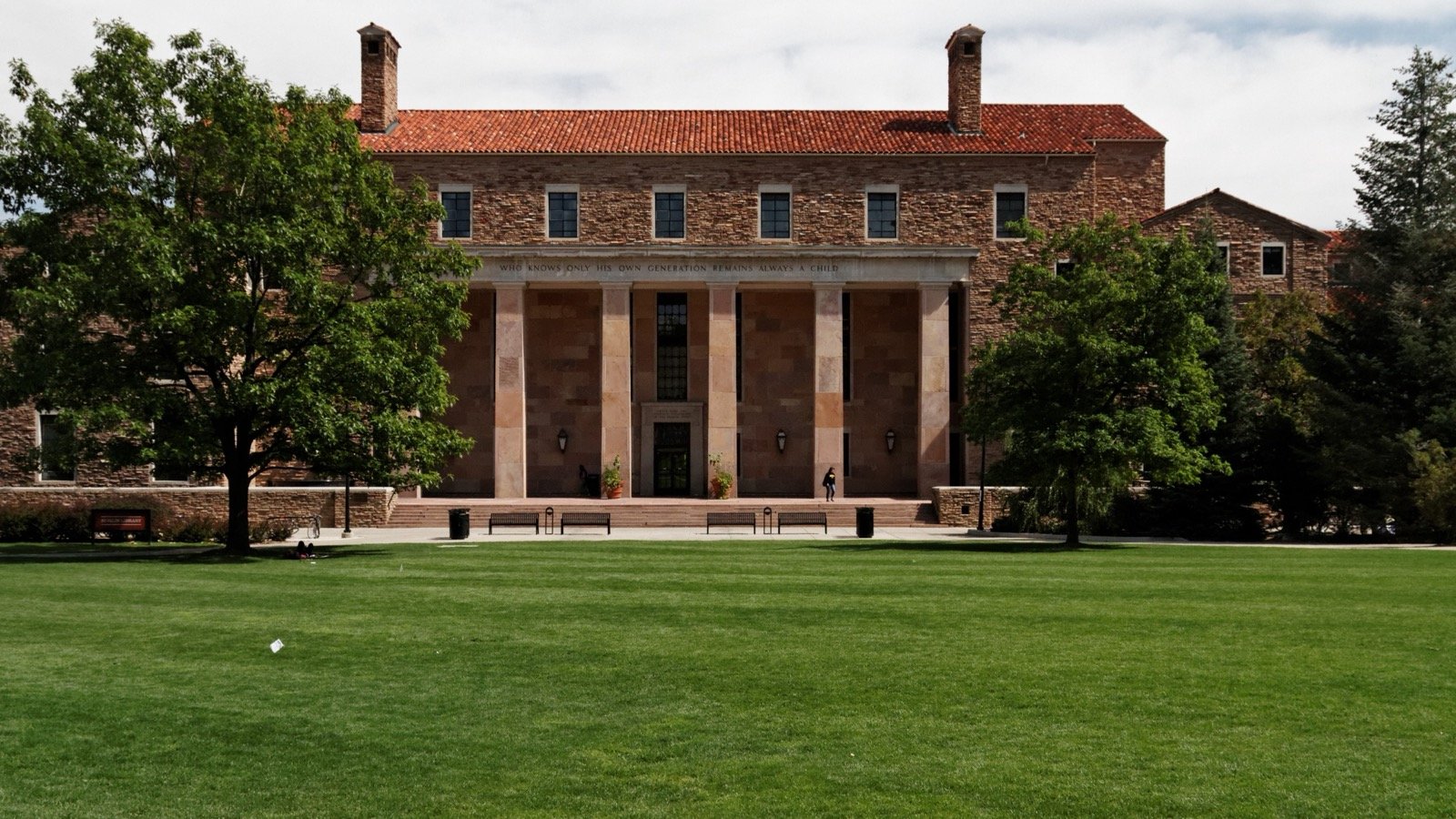
At the University of Colorado Boulder, the newly filed complaint says the estimated cost for one academic year is about $35,456 for a resident and $66,500 for a nonresident.
That is a difference of $31,044.
The comparison at the Colorado School of Mines is nearly as stark: approximately $46,480 for a resident and $71,470 for a nonresident, according to the complaint.
An eligible illegal alien who meets Colorado’s in-state requirements can receive the lower rate. An American citizen arriving from another state generally cannot.
That is the disparity at the center of the Justice Department’s July 23 lawsuit against Colorado.
The department sued the state, the Colorado Commission on Higher Education, the Colorado Department of Higher Education and its executive director, JB Holston. It is asking the court to declare the challenged laws invalid and permanently block their enforcement.
Associate Attorney General Stanley Woodward said Congress has made the rule clear for nearly three decades and tied the case to President Trump’s pledge to stop illegal aliens from receiving benefits denied to American citizens. Assistant Attorney General Brett Shumate called it a simple matter of federal law.
The legal argument is straightforward, even if the politics surrounding it are not.
Federal law says a state cannot grant an unlawfully present alien a postsecondary education benefit based on state residence unless the same benefit is available to every U.S. citizen without regard to residence.
Colorado may offer a resident rate. The Justice Department’s position is that it cannot extend that residence-based rate to illegal aliens while withholding it from American citizens who live in the other 49 states.
This is still an allegation in a newly filed civil case, not a final court ruling. Colorado will have the opportunity to dispute the government’s interpretation and defend its laws.
But the 19-page federal complaint shows why the administration believes this is bigger than one tuition category. Filed in federal court in Denver as United States v. State of Colorado, it lays out four Supremacy Clause counts and traces more than a decade of legislative changes.
Colorado enacted its ASSET law in 2013, allowing certain students without lawful immigration status to qualify for in-state tuition if they met Colorado school-attendance and graduation requirements. In 2019, the state expanded access to state financial aid, adding another layer of taxpayer-backed benefits to the resident rate.
The state loosened the rules again in 2022. The complaint says lawmakers cut the Colorado high-school attendance requirement from three years to one and removed a rule requiring students to enter college within 12 months of graduation.
Then came another change in 2025.
According to the complaint, Colorado repealed the requirement that an eligible student sign an affidavit promising to seek lawful immigration status. The Justice Department says the current system has no lawful-presence requirement at all.
The benefits extend beyond the sticker price.
Colorado operates the CASFA, an alternative financial-aid application for students who cannot use the federal FAFSA, including undocumented students. Qualifying students can also receive the state’s taxpayer-funded College Opportunity Fund stipend.
Colorado’s own CU Boulder admissions guidance for undocumented applicants directs eligible students to the in-state tuition program and says undocumented Colorado residents may qualify for need-based grants.
The federal complaint says eligible students at CU Boulder may receive up to $10,300 a year in university grants and scholarships. It also says Colorado School of Mines evaluates ASSET-eligible undocumented students for merit awards.
None of that means every recipient receives every listed benefit, and it does not mean the $66.5 million awarded through a separate Colorado scholarship initiative went exclusively to illegal aliens.
It does mean the case is about far more than a line on a tuition bill. The administration is challenging an interconnected system of discounted rates, stipends, grants and scholarships.
Colorado’s defenders will argue that these students attended high school in the state, built lives there and should not be locked out of an affordable education because of their immigration status.
That argument may carry emotional force. It does not answer the federal government’s central question: Why should unlawful presence be treated more generously than American citizenship when two students cross the same state line?
Associate Attorney General Stanley Woodward said Congress settled that question nearly three decades ago. He accused Colorado of subsidizing benefits for illegal aliens at taxpayers’ expense while denying the same treatment to the nation’s own citizens.
The Justice Department says this is its 14th lawsuit targeting state tuition benefits of this kind. It points to favorable outcomes in Texas, Kentucky, Oklahoma and Nebraska while other cases remain pending.
Colorado is therefore not being singled out in isolation. It is the newest front in a deliberate national effort to force states into compliance with the federal rule.
The left will call the lawsuit cruel. That is easier than defending a system under which an out-of-state American family can face a bill tens of thousands of dollars higher than a similarly situated family whose student is in the country illegally.
A court will decide whether Colorado’s statutes survive.
For now, the numbers have stripped away the slogans. Colorado calls it opportunity, but the lawsuit asks who receives the discount, who is forced to pay more and why American citizenship is not enough to get the same deal.
Continue reading...
[ H/T WLT Report ]