



Oil prices were mixed Monday after a chaotic weekend in the Middle East, as renewed talk of U.S.-Iran negotiations briefly cooled fears of a wider energy shock.
Iranian Foreign Ministry spokesman Esmail Baghaei said talks with the United States could still be pursued if they serve Tehran’s national interests.
The comment helped crude prices pare earlier gains after Brent briefly climbed above $90 a barrel.
International benchmark Brent crude for September delivery was trading 0.4% higher at $88.47 per barrel, while U.S. West Texas Intermediate crude for August delivery dipped 0.2% to $82.36.
The pullback came even as the region remained on edge following another deadly stretch of U.S.-Iran fighting.
The U.S. military confirmed a third American service member had been killed in recent operations.
Investigators also recovered unidentified remains near the site of an Iranian attack in Jordan that had previously left two U.S. personnel dead and another missing.
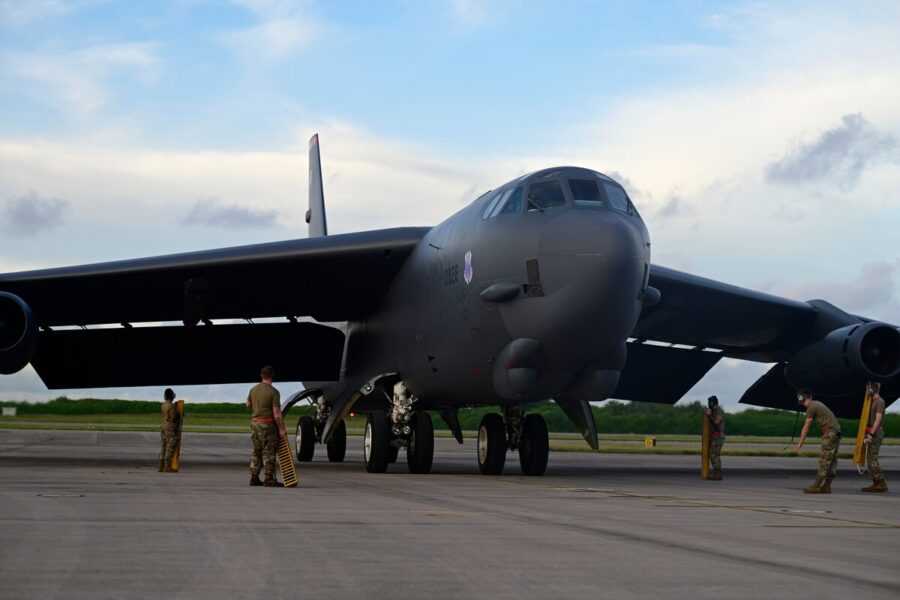
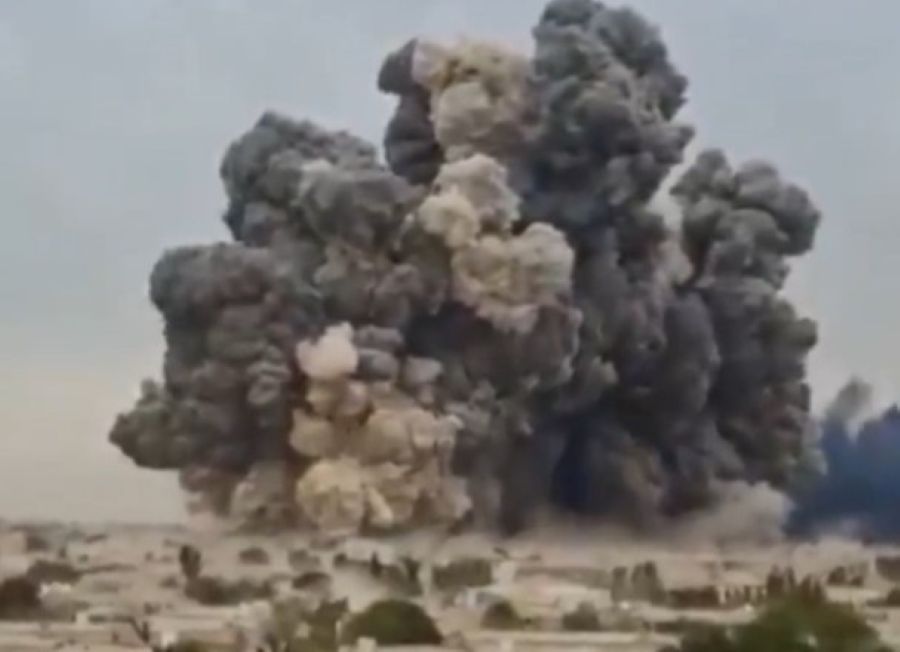
American forces completed a ninth consecutive night of strikes against Iranian targets, hitting military assets tied to Tehran’s attacks on shipping and U.S. personnel.
“The strikes will continue degrading Iranian military capabilities used to attack commercial vessels and civilian mariners transiting the Strait of Hormuz,” the U.S. Central Command said in a statement on X.
U.S. forces have targeted Iranian coastal surveillance and air defense systems, maritime assets, and missile and drone storage facilities.
American strikes have also hit Islamic Revolutionary Guard Corps units linked to the July 17 attack on U.S. personnel in Jordan.
The renewed fighting has revived fears over the Strait of Hormuz, the narrow oil artery Tehran has repeatedly tried to use as a bargaining chip against the West.
Before the war, the strait handled roughly 20% of the world’s oil traffic.
Shipments have fallen sharply as attacks, blockades and threats have made the route more dangerous.
Iran’s Revolutionary Guard claimed it still controls the waterway and vowed that “not a single drop of oil, gas, or chemical fertilizer” will pass through the strait, according to Iran’s semi-official Tasnim news agency.
That threat is exactly why energy markets remain nervous.
Even when Iran hints at diplomacy, its military and proxy network keep rattling the same global oil routes that millions of working Americans depend on indirectly every time they fill up their tanks.
U.S. gasoline prices hit $4 a gallon again Monday, according to AAA, as instability around Hormuz continued to squeeze energy markets.
RELATED: Oil Prices Make Major Move After Iran Hits Two US Allies
The national average had last been at $4 or higher on June 17, when the U.S. and Iran signed an interim agreement meant to reopen the waterway and stop the fighting.
That deal is now hanging by a thread.
Amrita Sen, founder and director of research at Energy Aspects, warned that a major slowdown in traffic through Hormuz, combined with depleted global inventories, could send oil above $100 per barrel.
“Do we think prices should or could go to triple digits? Absolutely. Remember the market is short as well, right? It was a market that went heavily short as soon as Hormuz was starting to reopen, that’s why we went into the seventies. So, those shorts are still covering as we speak and I think that’s one of the other momentums you are starting to get,” Sen told CNBC’s “Access Middle East” on Monday.
Sen said many investors are still underestimating the risk.
“The market is still quite complacent despite the price increase we have seen. I have macro funds telling me, ‘well, you know, we have had this before, we didn’t really go up much above $100, what’s so different this time, we have AI to worry about,’” Sen said.
RELATED: BREAKING: U.S. Firms Sign Deal To Restore Oil Pipeline That Bypasses Strait Of Hormuz In Iraq, Syria
“So, this is still not front and center for most people in the market.”
The mixed oil move shows the market is caught between two forces: hope that diplomacy might restart and fear that Iran will keep threatening the world’s most important energy chokepoint.
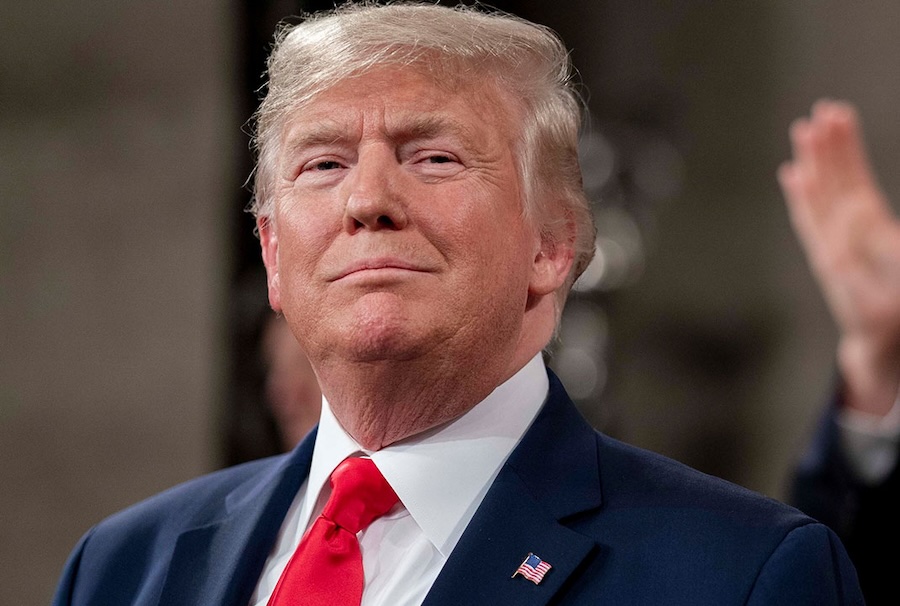
For President Donald Trump, the message to Tehran has been blunt: negotiate, or watch U.S. forces keep grinding down the military assets used to terrorize ships and target American troops.
For American drivers, the stakes are simpler.
If Iran keeps turning Hormuz into a war zone, the pain could show up fast at the pump.
POLL: Will You Support Trump And His Candidates In The Midterms?
Continue reading...
[ H/T Trending Politics ]