





The latest economic data suggests that the United States may finally be moving in the right direction.
Inflation is slowing. Production is expanding. Unemployment claims remain subdued. After years of punishing price increases, Americans may be entering the long process of rebuilding the purchasing power they lost during the Biden administration.
Repair will take time. But slower inflation, stronger production, and rising real income show that the process may finally have begun.
That recovery will not happen quickly. Prices will not simply return to 2019 levels. But a more disciplined federal government, lighter regulation, and stronger private-sector production can gradually ease the affordability crisis.
June brought the largest monthly decline in headline consumer prices in six years. Overall prices fell 0.4%, led by a sharp drop in oil and gasoline prices.
That marked the largest monthly decrease since 2019 and moved inflation closer to the Federal Reserve’s 2% target. Truflation’s private consumer price index recently placed inflation at 2.04%, almost exactly at the Fed’s stated goal.
The ideal inflation rate should be zero, and prices should sometimes fall as productivity improves. Still, the slowdown represents real progress.
Gasoline prices contributed heavily to the decline, falling 10% as the reopening of the Strait of Hormuz increased oil supplies. The Wall Street Journal reported that the cooling extended broadly across the economy.
The response to lower oil prices should remind policymakers how essential fossil fuels remain to modern life. Energy prices shape transportation, manufacturing, agriculture, construction, and nearly every consumer good.
Interest rates also offer some encouraging signs.
The yield on 10-year Treasury notes remains near 4.5%, slightly below its recent peak, economist Robert Genetski noted in his weekly report. Gold prices have also trended downward, suggesting greater confidence in the dollar.
Most important, the productive economy continues to expand.
The Institute for Supply Management reported that its manufacturing purchasing managers’ index reached 53.3% in June. Any reading above 50 indicates expansion, though growth slowed slightly from May.
RELATED: The housing bill from hell targets red America

The services index registered 54%, marking the sector’s 24th consecutive month of expansion.
As production grew, unemployment data also beat expectations. Initial and continuing jobless claims both declined by thousands.
Taken together, the numbers point toward genuine economic improvement. Inflation and interest rates are moving closer to pre-pandemic norms. The economy is also benefiting from President Trump’s renewed regulatory relief and the tax cuts enacted through last year’s One Big Beautiful Bill Act.
Much more work remains.
The federal policy reversal began only about 18 months ago and has faced resistance in Congress and the courts. Federal Reserve Chairman Kevin Warsh’s promised monetary reforms have yet to take effect.
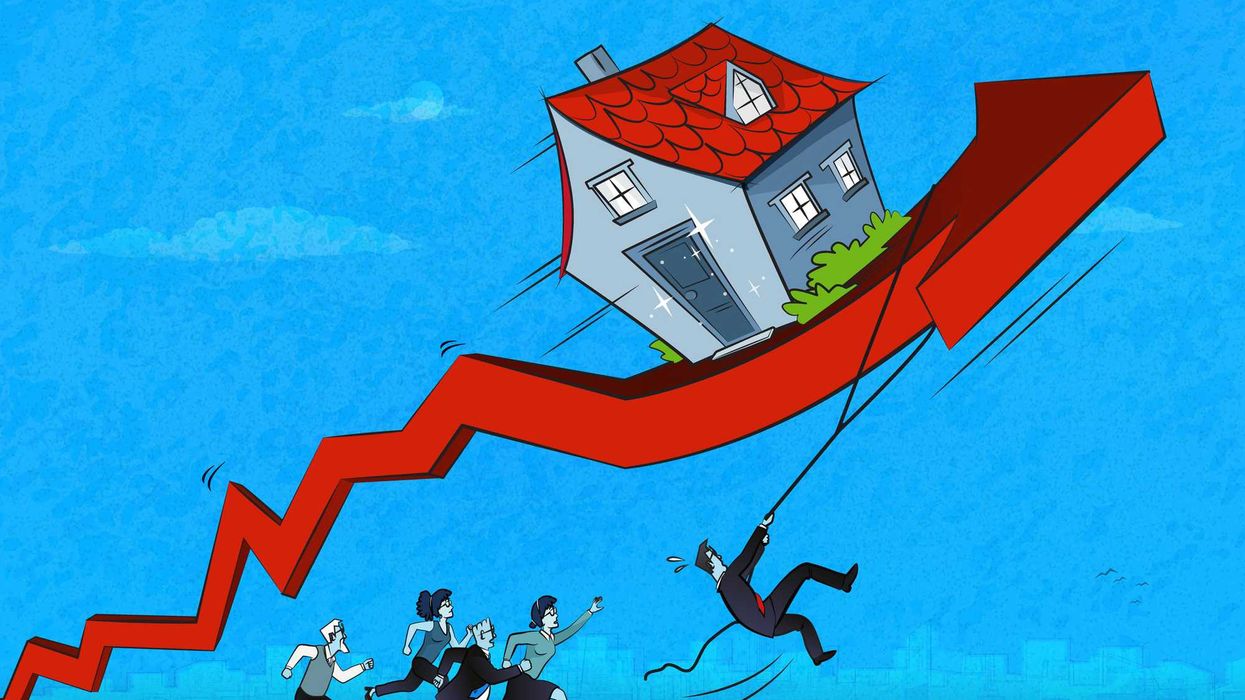
Housing remains the most serious obstacle.
June retail sales were mediocre, according to the U.S. Census Bureau. New-home construction also remains badly depressed. Genetski noted that the July homebuilders’ confidence index came in at an anemic 34, far below the break-even level of 50.
Warsh has nevertheless said the right things about monetary discipline.
He has repudiated the artificially low interest-rate policies the Fed pursued after the 2008 financial crisis and has acknowledged the central bank’s responsibility for inflation.
“Inflation’s a choice,” Warsh told the House Financial Services Committee last week. Monetary policymakers, he said, must choose lower inflation instead of shifting blame elsewhere.
The Fed made disastrous choices during the Biden administration.
Consumer prices rose 21.17% from January 2021 through January 2025. The median price of a new home increased even faster, climbing 28.9%.
Those prices will not fall back to their pre-pandemic levels. The spending explosions of 2021 and 2022 permanently reduced the dollar’s purchasing power.
Affordability will therefore improve through a slower process. Wages and investment income must rise while businesses produce more goods and services. Government must stop suppressing that production through excessive spending, taxation, regulation, and monetary manipulation.
One encouraging sign is that after-tax, inflation-adjusted personal income per capita has begun rising again after collapsing during the Biden years.
Further tax and spending reforms would accelerate that recovery.
Millennials and Generation Z have suffered badly during the affordability crisis. They entered adulthood facing soaring housing costs, expensive credit, stagnant purchasing power, and a federal government that made nearly every basic milestone harder to reach.
RELATED: ‘Need a cop? Thank socialism’ is dumb — but dangerously effective
Those conditions help explain young Americans’ growing attraction to socialism and even communism.
When people believe capitalism offers no path toward home ownership, family formation, or financial security, radical alternatives begin to look appealing. That does not make those alternatives sound. It shows how economic failure can erode political judgment.
A sustained recovery could reverse that trend.
Lower inflation, rising real income, greater housing production, and stronger private investment would reduce the despair that fuels radical politics. Economic reform could create a virtuous cycle in which greater prosperity lowers social tension and weakens support for destructive ideologies.
The federal government still spends far too much. Welfare programs remain riddled with fraud. Social Security faces a severe funding crisis within the next several years.
Yet policy has begun moving, however slowly, toward reducing the enormous burden federal spending and regulation place on American workers, entrepreneurs, and producers.
A favorable resolution to the Iran conflict would strengthen the economy further by lowering geopolitical risk and stabilizing energy markets.
The greatest danger now is impatience. The federal government, the central bank, businesses, workers, and investors are trying to turn the country away from an inefficient, government-dominated economy and back toward free-enterprise capitalism.
That repair will take time.
But slower inflation, stronger production, and rising real income show that the process may finally have begun.
Continue reading...
[H/T Blaze Media]


