










Federal contractors have until Friday, the deadline set by Executive Order 14398, to strip race- and sex-based classifications out of every covered contract or risk debarment and False Claims Act exposure. The Federal Acquisition Regulatory Council estimates it reaches roughly 640,000 contracts held by more than 34,000 vendors. I’ve spent 30 years underwriting counterparties for private equity funds, private credit deals, and family offices. Not one credit file ever asked me to weigh a borrower’s creditworthiness by the owner’s race. That’s not an oversight. It’s the whole point of underwriting.
For 60 years, Washington built a parallel market where the government decided which businesses got to compete based on who owned them. That market is collapsing.
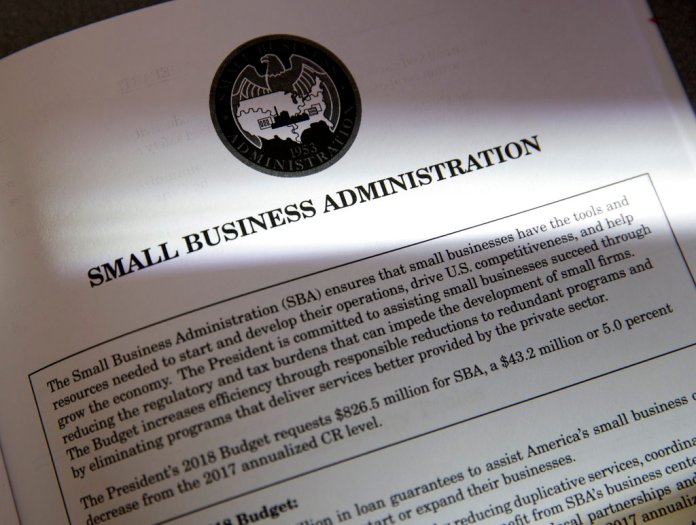
Start with the Small Business Administration’s Section 8(a) program, the granddaddy of federal set-asides. In Ultima Services Corp. v. USDA, a federal court in Tennessee found that presuming a business owner is “socially disadvantaged” based on race fails scrutiny under the Fifth Amendment. The Justice Department told Congress in November it would no longer defend the presumption. On June 10, the SBA proposed replacing it entirely with a test asking any citizen to show actual harm from actual discrimination. Not ancestry. Harm. That’s what a legal standard remedies: an injury, not a group bonus.
The Transportation Department’s Disadvantaged Business Enterprise program went through the same wringer. In Mid-America Milling Co. v. USDOT, a Kentucky federal judge found DOT’s race- and sex-based presumptions of disadvantage unconstitutional. DOT’s rule stripped them out; the court dismissed the case as moot, and the deadline to appeal passed without a challenge on May 18. The program survives. What died is the shortcut that let an agency sort contractors by skin color and call it due diligence.
None of this happened in a vacuum. The Supreme Court’s 2023 ruling in Students for Fair Admissions v. Harvard held that racial classifications must survive strict scrutiny even when the purpose is benign. The opinion addressed college admissions, but lawyers at the Center for Individual Rights and the Pacific Legal Foundation read it as a blueprint for contracting statutes. Indiana’s governor cited it by name this month in terminating the state’s race- and sex-based contracting preferences outright.
Not every jurisdiction got the memo. New York City’s Racial Equity Plan, released in April, sorts more than 200 city goals by race, contract percentages included. Wisconsin’s Supplier Diversity Program faces a taxpayer suit over $1.5 billion in contracts steered by racial eligibility, and 20 state attorneys general have sued to block EO 14398 itself as unworkably vague. They may be right about the drafting. They’re wrong about the destination.
Here’s what defenders of set-asides never say out loud: A preference for one contractor is a penalty on every contractor bidding against them. Contracting isn’t charity. It’s an allocation of taxpayer capital to the lowest-cost, highest-quality bidder, and every dollar diverted to a demographic quota is a dollar the taxpayer didn’t need to spend.
IBM’S $17 MILLION DEI SETTLEMENT IS A WAKEUP CALL FOR FEDERAL CONTRACTORS
The government’s job in a commercial republic is narrow: enforce contracts, prosecute fraud, protect intellectual property, and keep the field level so a plumber, a paving contractor, or a software vendor can compete on price and performance, with the state’s thumb nowhere on the scale. That system, left alone, already built the country’s small-business base without a rulebook asking who owns what.
Friday’s deadline won’t end the litigation. It will end the pretense that a program built on racial presumption was ever about disadvantage rather than dispensation. The market doesn’t need Washington’s permission to be fair. It just needs Washington to stop deciding, contract by contract, who gets to compete.
Jay Rogers is a financial professional with more than 30 years of experience in private equity, private credit, hedge funds, and wealth management. He has a Bachelor of Science in criminal justice from Northeastern University and has completed postgraduate studies at UCLA, the University of Pennsylvania, and Harvard. He writes about issues in finance, constitutional law, national security, human nature, and public policy.
Continue reading...
[ H/T Washington Examiner ]