




President Donald Trump’s efforts to combat national security threats in Latin America are bearing fruit. America’s historic enemies are running scared.
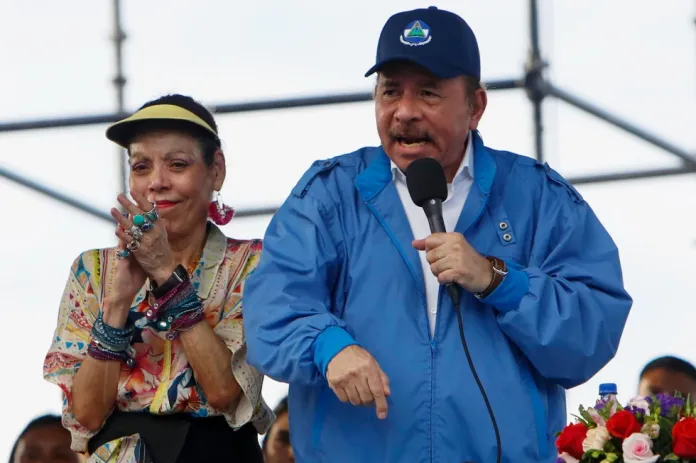
On Sunday, Nicaraguan President Daniel Ortega canceled future elections in his country.
He made the declaration on the anniversary of the Sandinista Revolution, which ended the Somoza government and first brought him to power in 1979.
“There won’t be any more elections,” Ortega croaked, and vowed, “Parties put in place by the Yankees, put in place by the Somoza regime, coming back to power — that story is over. Never again.”
Ortega has long been a thorn in America’s side — nearly 60 years.
A Marxist-Leninist, Ortega first came to prominence as a leader of the Sandinista National Liberation Front in 1967. In 1979, the FSLN, trained and supplied by the Soviet Union and its satellite states, primarily Cuba, overthrew the U.S.-backed government of Anastasio Somoza Debayle.
The FSLN wanted to turn Nicaragua into both a socialist dictatorship and a forward operating base against the United States and its interests. Under Ortega, it succeeded.
From 1979 until 1990, Ortega and his henchmen embarked on the usual communist program of seizing land and wealth and “reappropriating” them. Like similar measures before and since, the program failed.
The collapse of Nicaragua’s economy and the fall of the Berlin Wall led to Ortega’s ouster in 1990. For the next decade and a half, the so-called Washington Consensus dominated the region. America and its capitalist, freedom-loving allies appeared ascendant.
But like bad pennies, Ortega kept turning up.
In 2006, he returned to office as part of the “Pink Wave” that swept the region. Inspired by Venezuela’s Hugo Chavez and the Castro brothers in Cuba, anti-American socialists took power in Argentina, Bolivia, Brazil, Ecuador, and elsewhere.
Although they were welcomed by President Barack Obama, the Latin American left opened its doors to America’s enemies, such as China, Russia, and Iran.
American power and influence began to wane in its own backyard. The Monroe Doctrine, the strategic declaration first articulated in 1823, prohibiting other nations from gaining a foothold in our hemisphere, seemed to be a dead letter.
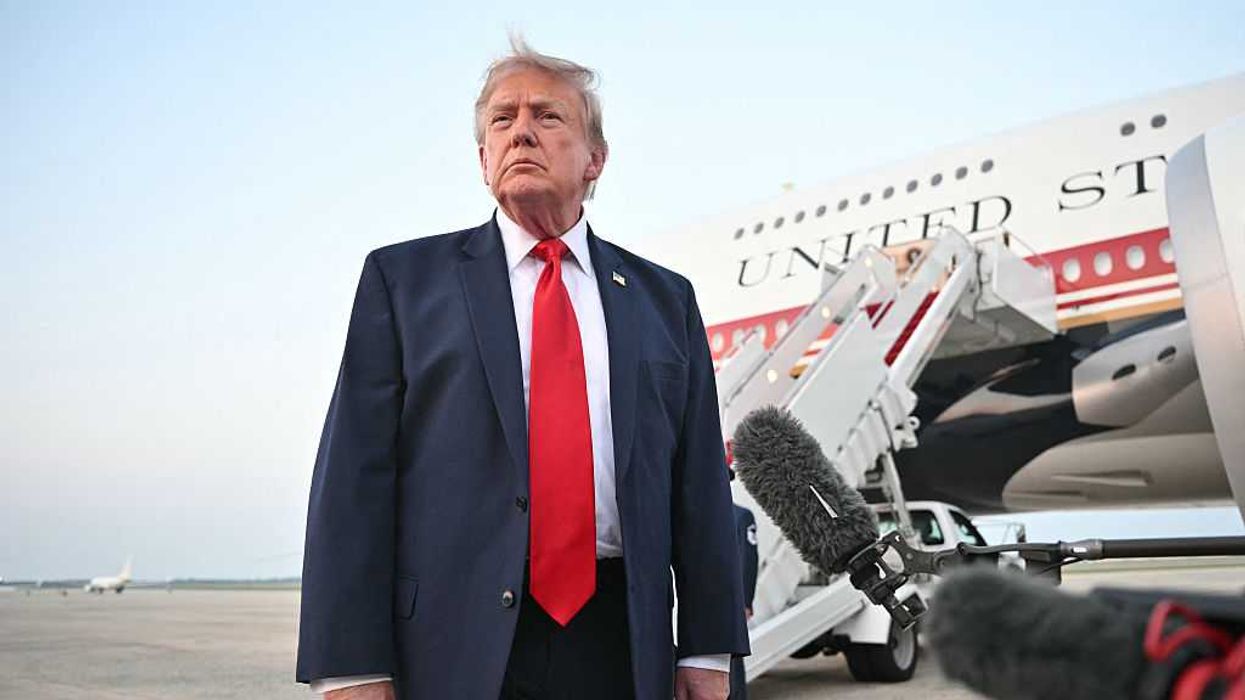
But Trump has reversed the gains of America’s adversaries. Since returning to office, he has prioritized Latin America in a way that his immediate predecessors did not.
As the 2026 National Defense Strategy lamented, the Biden administration had “forgotten the wisdom of the Monroe Doctrine” and “ceded influence in our hemisphere.”
The defense strategy called for a Trump Corollary to the Monroe Doctrine to defend U.S. interests in the region “actively and fearlessly.”
The administration signaled that it meant business with Operation Absolute Resolve, the daring Jan. 3, 2026, U.S. military mission to seize Venezuelan dictator Nicolas Maduro, Chavez’s successor. Elite U.S. troops swept into Caracas, remanded Maduro and his wife into custody, and killed his Cuban bodyguards.
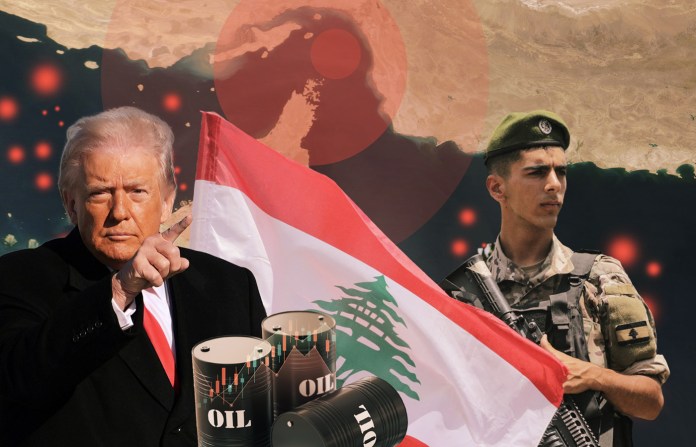
The era of flouting the U.S. in its own neighborhood was over. “They now call it the Donroe Doctrine,” Trump joked after Maduro’s capture.
The onetime ruler of Venezuela today languishes in a New York jail cell and faces a litany of charges for running a narco-terrorism empire. His acolytes and allies have gotten the message, loud and clear.
The U.S. has since announced a bevy of sanctions against Cuba, which Secretary of State Marco Rubio called a “national security threat” and a “failed state.” On July 21, the State Department released a report highlighting the Cuban regime’s role in fomenting insurrection in the United States.
Ortega, whose path to power was paved by the Cuban regime so many years ago, is clearly feeling the heat.
The U.S. should keep up diplomatic and economic pressure on the 80-year-old autocrat. Sanctions should be strengthened, and American diplomats should push resolutions at the United Nations condemning Ortega’s decision to cancel elections. Let his allies in Moscow and Beijing be tarred by their support for him.
CALIFORNIA NEVER
Ortega is a figure of the past and present, but he should not be a figure of the future, and his communism should be sent to history’s trash heap. No matter how hard he tries, he will not represent the Latin America of tomorrow.
The end of communism in Latin America promises better days for both the people of the region and the U.S. That end seems to be fast approaching, thanks in no small part to the Donroe Doctrine.
Continue reading...
[ H/T Washington Examiner ]
