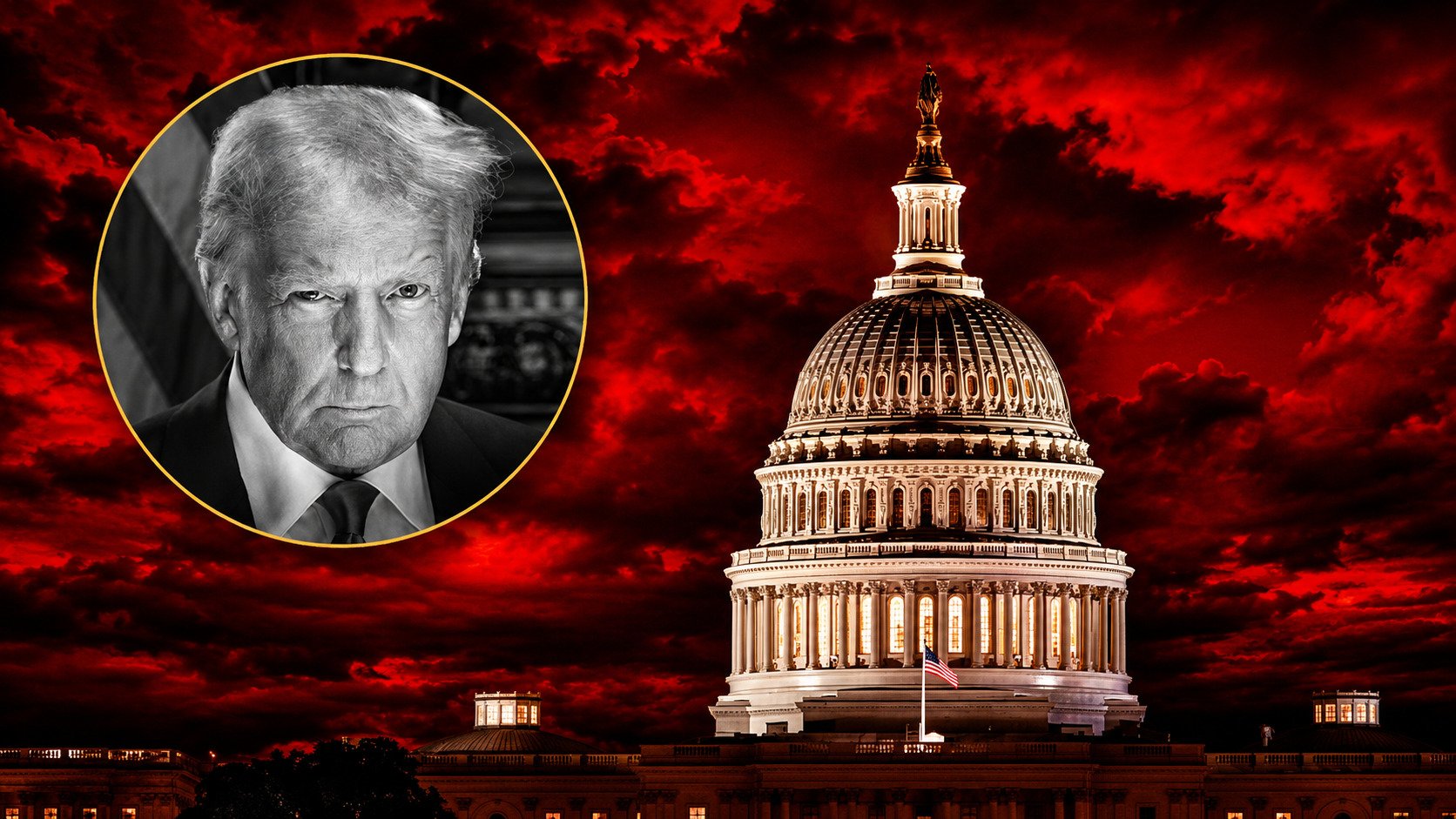



President Trump did not let one Supreme Court defeat end his tariff agenda.
His administration has now unveiled a new legal route for imposing double-digit tariffs on imports from 60 trading partners, including the European Union.
The duties took effect at 12:01 a.m. Friday, just as a temporary worldwide tariff expired.
The new rates are 10 percent or 12.5 percent, depending on whether the country has adequate laws and enforcement against goods made with forced labor.
That distinction is the heart of the strategy.
Rather than attempting to recreate the exact emergency tariffs the Supreme Court struck down in February, the administration is using Section 301 of the Trade Act of 1974. That law allows the United States to respond to unfair foreign trade practices.
The Office of the U.S. Trade Representative said countries with stronger anti-forced-labor laws will face the 10 percent rate, while countries with weaker bans will be hit with 12.5 percent.
The administration argues that American companies operate under tougher restrictions than many foreign competitors.
USTR reached its final decision after investigations covering all 60 economies, two rounds of public hearings, more than 2,100 public comments and talks with foreign governments about possible reforms.
U.S. law already blocks the importation of products made with forced labor. If another country allows those products into its own supply chain or fails to enforce a meaningful ban, its producers can gain a cost advantage that American businesses are forbidden to use.
The White House is now treating that gap as an unfair trade practice.
USTR said its investigation included two rounds of public hearings, more than 2,100 public comments and direct engagement with trading partners. The rates largely track a proposal released June 1 after the government reviewed foreign labor laws and enforcement.
India was moved into the lower tier after taking additional legislative action, showing that the list can change when a country strengthens its standards.
Administration officials also made clear that the new tariffs are not a blanket tax on everything entering the country.
Oil, natural gas, fertilizer, certain food products and goods already covered by national-security tariffs are exempt. Products that qualify for duty-free treatment under the United States-Mexico-Canada Agreement are also spared.
That exemption structure is designed to protect tightly integrated North American supply chains and reduce the risk of immediate price shocks in essential sectors.
The Associated Press reported that the new duties replace a temporary 10 percent global tariff that President Trump imposed under a different section of the 1974 law.
That stopgap measure could remain in place for only 150 days. The new Section 301 tariffs rest on a separate series of investigations into foreign practices and are intended to provide a more durable foundation.
Goods already in transit received a short grace period lasting until 12:01 a.m. Tuesday.
The timing matters because the temporary worldwide levy expired at the same minute the new duties began. The administration says the forced-labor action stands on its own factual record even though it preserves much of the tariff coverage that would otherwise have disappeared.
The tariff list also shows that countries can improve their position.
India moved into the lower 10 percent tier after strengthening its anti-forced-labor laws while the administration’s review was underway. That gives other governments a clear choice: enforce meaningful standards or pay a higher price for access to the American market.
Critics will focus on the cost to importers, and that concern is real. American companies pay tariffs when goods enter the country, and some of those costs can reach consumers.
But the administration is making a broader argument about what counts as fair competition.
An American manufacturer should not have to compete against a foreign producer whose lower price depends on coerced labor or a government that looks the other way.
Congressional Republicans and Democrats have both called for tougher action against forced labor in global supply chains. The fight will come over the size of the tariffs, the countries selected and whether the administration’s legal theory survives the court challenges that are almost certain to follow.
For now, President Trump has rebuilt a large part of his tariff wall under a different statute and tied it to an issue few elected officials want to defend: forced labor.
That is a much harder policy for America’s trading partners to dismiss as business as usual.
This is a Guest Post from our friends over at 100 Percent Fed Up. View the original article here.
Continue reading...
[ H/T WLT Report ]