









India Blocks Mobile Internet In Central Delhi As Youth Protests Escalate
The Indian government has ordered telecom companies to disable mobile data services in central parts of the capital Delhi, in and around the site of youth protests seeking the resignation of the education minister, two sources told Reuters on Thursday.
The companies have complied with the order, Reuters sources said.
There was no mobile data connectivity in many parts of central Delhi on Thursday evening, Reuters journalists said.
Vendors, shopkeepers and restaurants complained that they were unable to accept digital payments.
India’s youth protesters have called for nationwide demonstrations on Friday even as Prime Minister Narendra Modi’s government urged them to join talks, while shutting metro stations and mobile internet services and curtailing business in central Delhi.
The youth protesters, led by the self-named "Cockroach" Janta Party movement, have been camping in central Delhi since last month and are demanding the resignation of the education minister over leaks of medical school entrance test papers that affected some 2 million students in May and have been linked to several student suicides.
The protests have swelled into the biggest youth challenge to Modi since he came to power in 2014. Opposition parties have echoed the youth movement's demands and have disrupted the monsoon session of parliament that began this week.
It marks the biggest political crisis of Modi's third term, which began in 2024.
The government made a fresh appeal on Thursday to the protesters to join talks to resolve the crisis but they responded by calling for nationwide peaceful protests on Friday in solidarity with students who alleged police brutality during a march on parliament on Monday by tens of thousands of people.
Thousands of people had returned to the Jantar Mantar protest site by Thursday afternoon, carrying anti-government posters and chanting slogans amid heavy security deployment.
Protests also spread to other cities, including Ranchi, Pune, Thiruvananthapuram and Kolkata, local media reported.
Authorities in Delhi shut down 16 metro rail stations in and around the central parts of Delhi where the protesters have remained camped, inconveniencing thousands of commuters.
The government also ordered telecom firms to block mobile internet services in the area, sources told Reuters, a move that not only affected protesters but also stopped shops and restaurants from receiving digital payments by phone.
Separately, all offices and businesses in the Connaught Place area, the bustling central business district, were asked to shut early on Thursday by the New Delhi Traders Association, which cited an advisory from municipal authorities due to the security situation in the area.
The measures are seen as an attempt by authorities to curb the protests and prevent any fresh outbreak of violence.
More than 10,000 people had gathered on Wednesday night at the Jantar Mantar protest site. Some protesters attacked police with stones and plastic bottles, injuring a few officers, news agency ANI quoted Delhi Police as saying.
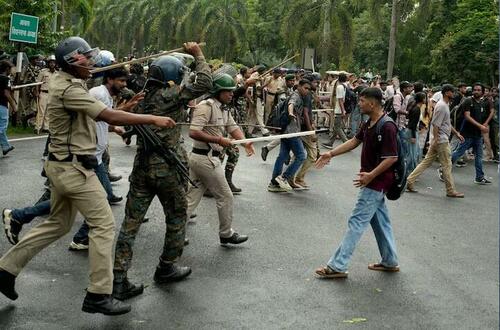
In Monday's clashes during the march on parliament, police used tear gas and canes to push back the protesters.
Earlier on Thursday, Modi said that special courts would be set up to prosecute those behind exam paper leaks, his first public response to the crisis.
"Nothing is more important than the welfare and future of our youth!" Modi posted on X.
But CJP rejected the proposal, saying what courts do after paper leaks is just one aspect of the problem.
"But Modi-ji, tell us why are paper leaks happening in this country in the first place?" CJP spokesperson Ashutosh Ranka said, using the Hindi honorific.
Tyler Durden Thu, 07/23/2026 - 16:40
Continue reading...
[ H/T ZeroHedge ]
The Indian government has ordered telecom companies to disable mobile data services in central parts of the capital Delhi, in and around the site of youth protests seeking the resignation of the education minister, two sources told Reuters on Thursday.
The companies have complied with the order, Reuters sources said.
There was no mobile data connectivity in many parts of central Delhi on Thursday evening, Reuters journalists said.
Vendors, shopkeepers and restaurants complained that they were unable to accept digital payments.
India’s youth protesters have called for nationwide demonstrations on Friday even as Prime Minister Narendra Modi’s government urged them to join talks, while shutting metro stations and mobile internet services and curtailing business in central Delhi.
The youth protesters, led by the self-named "Cockroach" Janta Party movement, have been camping in central Delhi since last month and are demanding the resignation of the education minister over leaks of medical school entrance test papers that affected some 2 million students in May and have been linked to several student suicides.
The protests have swelled into the biggest youth challenge to Modi since he came to power in 2014. Opposition parties have echoed the youth movement's demands and have disrupted the monsoon session of parliament that began this week.
It marks the biggest political crisis of Modi's third term, which began in 2024.
The government made a fresh appeal on Thursday to the protesters to join talks to resolve the crisis but they responded by calling for nationwide peaceful protests on Friday in solidarity with students who alleged police brutality during a march on parliament on Monday by tens of thousands of people.
Thousands of people had returned to the Jantar Mantar protest site by Thursday afternoon, carrying anti-government posters and chanting slogans amid heavy security deployment.
Protests also spread to other cities, including Ranchi, Pune, Thiruvananthapuram and Kolkata, local media reported.
Authorities in Delhi shut down 16 metro rail stations in and around the central parts of Delhi where the protesters have remained camped, inconveniencing thousands of commuters.
The government also ordered telecom firms to block mobile internet services in the area, sources told Reuters, a move that not only affected protesters but also stopped shops and restaurants from receiving digital payments by phone.
Separately, all offices and businesses in the Connaught Place area, the bustling central business district, were asked to shut early on Thursday by the New Delhi Traders Association, which cited an advisory from municipal authorities due to the security situation in the area.
The measures are seen as an attempt by authorities to curb the protests and prevent any fresh outbreak of violence.
More than 10,000 people had gathered on Wednesday night at the Jantar Mantar protest site. Some protesters attacked police with stones and plastic bottles, injuring a few officers, news agency ANI quoted Delhi Police as saying.
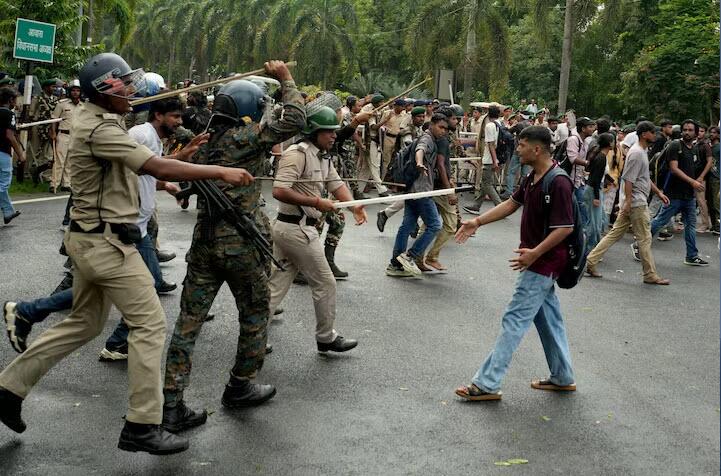
In Monday's clashes during the march on parliament, police used tear gas and canes to push back the protesters.
Earlier on Thursday, Modi said that special courts would be set up to prosecute those behind exam paper leaks, his first public response to the crisis.
"Nothing is more important than the welfare and future of our youth!" Modi posted on X.
But CJP rejected the proposal, saying what courts do after paper leaks is just one aspect of the problem.
"But Modi-ji, tell us why are paper leaks happening in this country in the first place?" CJP spokesperson Ashutosh Ranka said, using the Hindi honorific.
Tyler Durden Thu, 07/23/2026 - 16:40
Continue reading...
[ H/T ZeroHedge ]