



Until late 2025, the Republican Party appeared likely to carry the MAGA coalition more or less intact into the 2028 presidential election. No successor can reproduce Trump’s personality or political style. But the coalition he assembled — working-class voters, growing numbers of Latinos and other former Democrats, and disaffected liberals such as Robert F. Kennedy Jr. and Tulsi Gabbard — seemed durable.
JD Vance also appeared ready to clear the field. Marco Rubio, the only other plausible heir with national support, said just a few months ago that he would back Vance in 2028 if the vice president ran. The nomination looked less like a contest than a succession plan.
Much of the base may share Vance’s instincts, but the right is far from unanimous. His victory in an open contest cannot be assumed.
When I wrote my book, “JD Vance and the Future of the Republican Party,” the first sustained examination of Vance’s political thought and his place in the post-Trump GOP, that outcome seemed nearly certain. Vance would declare around the 2026 midterms. Rubio would endorse him. A few marginal candidates might enter, but none would reach double digits.
That scenario remains possible. It is no longer inevitable.
Two related developments have changed the equation: the fight over the U.S.-Israel relationship on the right and the war in Iran.
The first does not implicate Vance directly, but it has fractured the political world he must lead. Far-right podcasters and pundits have fixated on Israel and Jews for years. The dispute moved from the fringes toward the center when Tucker Carlson interviewed Nick Fuentes on his podcast in October 2025, one month after Charlie Kirk — one of the right’s most effective coalition builders and gatekeepers — was assassinated. Influential voices soon moved beyond debating the wisdom and limits of the U.S.-Israel alliance to entertaining conspiratorial claims that Jews themselves threatened America.
The conservative movement has never been intellectually uniform. Libertarians, social conservatives, anti-communist liberals, nationalists, and other factions have long competed under the Republican tent. But the past nine months have produced something more corrosive. Positions on Israel, American Jews, and even individual media personalities have become loyalty tests. Conservatives increasingly sort themselves into camps and excommunicate dissenters.
Every presidential nominee must unite competing factions. Vance faces an unusual version of that task because he entered politics through the world of conservative intellectuals, think tanks, and media. He has friends and allies across rival camps. Preserving those relationships without appearing captive to any of them may become one of his hardest political tests.
RELATED: JD Vance reveals opinion on Epstein files, explains ‘demon’ alien theory, slams ‘full of s**t’ Gavin Newsom with Joe Rogan
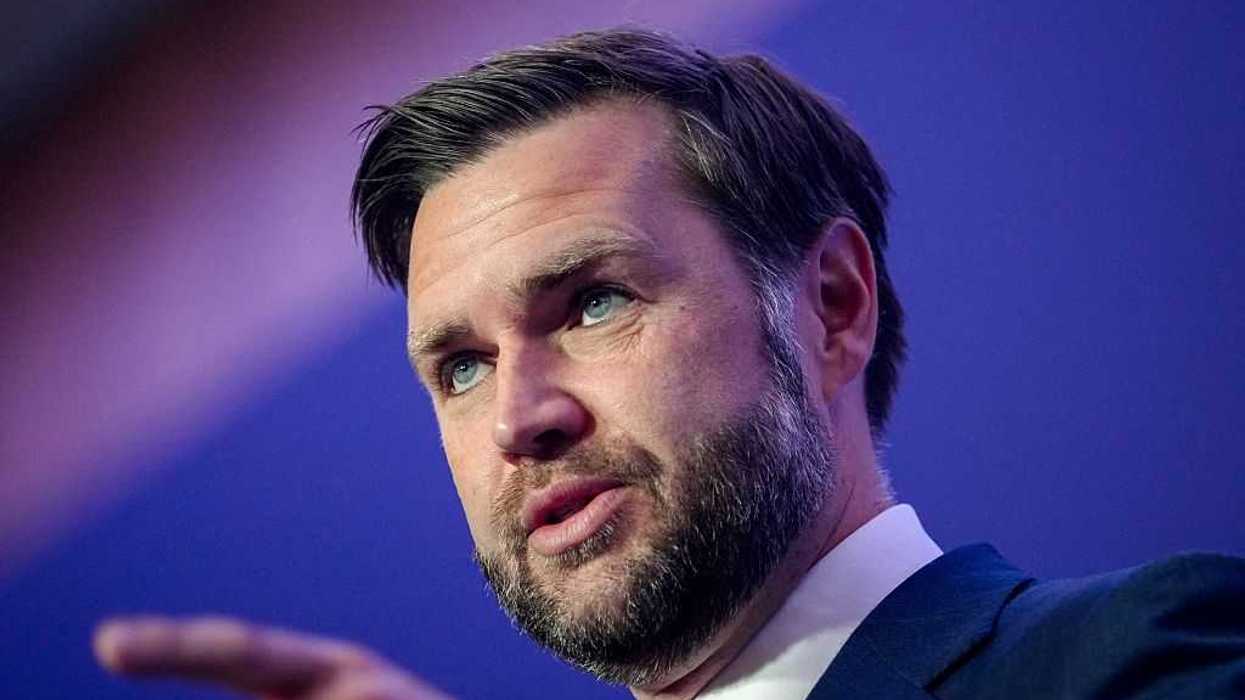
The war in Iran has made that test harder. Trump’s coalition has always included incompatible foreign-policy factions: George W. Bush-era interventionists, advocates of a restrained and more hemispheric strategy, and hard-line isolationists. The alliance held as long as the administration avoided wars that lacked a clear connection to the American interest.
Iran forced the disagreement into the open. Will the Republican Party continue military campaigns in the Middle East, or will it reserve force for direct threats to the United States? Republicans answer that question very differently, and the war has split the party. Any 2028 nominee will have to navigate the divide.
Vance is no isolationist, but his instincts favor restraint. He is also more willing than many senior Republicans to question the scope of U.S. commitments to Israel. Those positions may appeal to much of the base while alarming interventionists, pro-Israel conservatives, and establishment donors.
Can Vance maintain relationships with controversial figures such as Carlson, reconsider American commitments in the Middle East, and still hold the Republican coalition together? A competitive 2028 primary would force those questions into the open. Much of the base may share Vance’s instincts, but the right is far from unanimous. His victory in an open contest cannot be assumed.
Rubio remains the likeliest challenger. He has said he will not oppose Vance if the vice president runs, but supporters continue to promote the popular secretary of state as a candidate. Rubio’s greater acceptability to establishment Republicans and his more interventionist foreign policy would turn the primary into a direct contest over the party’s future. He could expose every fault line Vance must bridge.
One factor may matter more than all the others: Trump’s endorsement.
RELATED: The GOP’s 2028 ticket math is already brutal
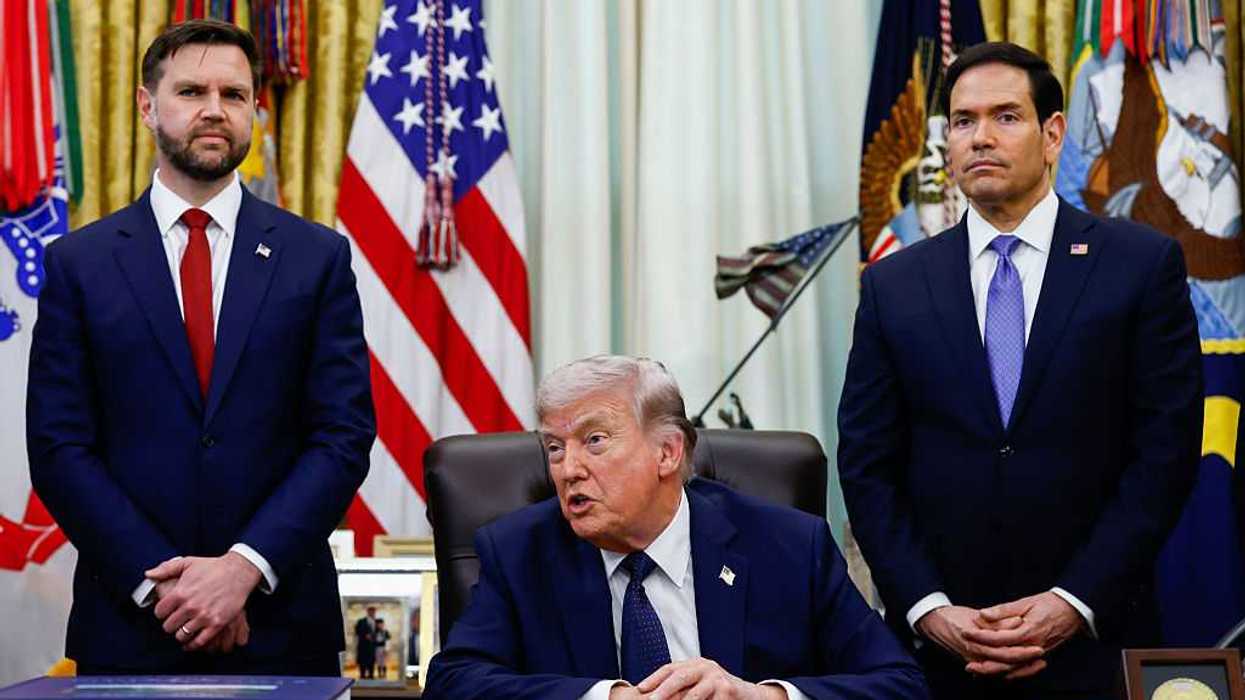
After the Iran war, Vance is less likely to coast through a genuinely open primary, especially if Rubio changes his mind. But Republicans may never receive an open primary. Trump still commands the party he reshaped, relishes the role of kingmaker, and will want to choose his successor.
An unequivocal Trump endorsement of Vance could end the contest before it begins. Other candidates could run, but they would struggle against a Trump-Vance succession. If Trump chooses Vance, the vice president may become the 2028 nominee by anointing rather than competition.
Trump has spoken more than once about the race to succeed him. Once he speaks definitively, the question may no longer be whether Vance can win the Republican primary. It may be whether the party is willing to hold one.
If Trump names Vance, he will likely become the future of the Republican Party. Trump will decide whether the party gets a primary or an anointing.
Continue reading...
[H/T Blaze Media]