





We are in a moment of profound change around trade, onshoring, and supply chain resilience that is remaking the global economic and political order. These discussions are long overdue. However, as the United States reconsiders how it engages with the world, American policymakers must ensure that they do not inadvertently restrict access to affordable medicines or undermine trusted alliances that have long supported U.S. medicine security.
In Washington, there is a growing belief that tariffs and non-tariff barriers would somehow spur more generic pharmaceutical manufacturing despite the economic realities of pharmaceutical manufacturing — including differences in labor costs, energy prices, and currency dynamics across countries. The U.S. sugar program is a cautionary tale of how policies that cannot address these issues only drive up costs for consumers while failing to achieve their stated goals.
India has been a central target of this campaign when it comes to prescription drugs.
The facts tell a different story. The U.S. has built a decadeslong partnership with India, which supplies nearly half of all generic medicines that millions of Americans trust. It should not be collateral damage in broader debates about trade policy.
President Donald Trump’s recent announcement of tariff-free treatment for generic drugs for two years before duties climb to 100 percent and then 200 percent makes this an urgent moment to get the policy right.
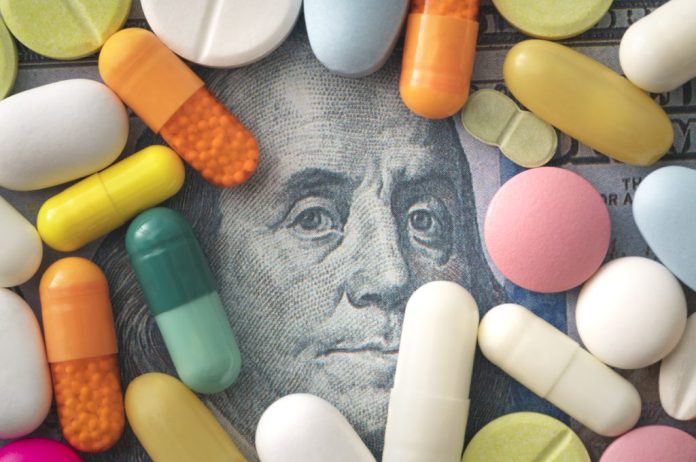
The scale of Indian drugs in the American healthcare system is staggering. Indian generics keep hospitals stocked and medicine cabinets full. Nearly 50% of Medicare prescriptions are filled with products produced by Indian companies. In five of the 10 most important therapeutic areas in the U.S., these manufacturers supply more than half of all prescriptions, with shares ranging from roughly 55% to 60%.
These medicines are foundational across the continuum of care — from emergency rooms and hospital wards to outpatient clinics and families’ homes — supporting chronic disease management and keeping the U.S. healthcare system affordable and resilient.
Indian pharmaceutical companies already have a significant American manufacturing footprint, where it makes economic sense, and they are committed to investing more.
At the SelectUSA summit, the industry committed to $19.1 billion in investments across the United States.
Zydus Lifesciences has recently acquired new U.S. facilities to support advanced pharmaceutical production for both American and global markets. Lupin announced it will invest $250 million in the state of Florida and build a manufacturing facility in Coral Springs to produce essential respiratory inhalers. Sun Pharma has strengthened its U.S. operations through strategic acquisitions and investments in facilities and workforce. Aurobindo Pharma has expanded its New Jersey plant to bolster America’s supply of sterile injectable drugs — among the most critical and shortage-prone medicines used in hospitals.
The Food and Drug Administration has demonstrated that pharmaceutical manufacturing in India today is on par with the U.S. and Europe. Sustained investments in automation, advanced quality systems, and rigorous compliance regimes ensure that Indian manufacturers meet the same FDA standards applied to all global suppliers.
If the U.S. were to make the wrong policy choice and move toward closing itself off from the global pharmacy, the result would not be safer medicine. Instead, it would mean fewer suppliers, deeper shortages, higher prices, and greater reliance on less transparent and unreliable sources such as China. Americans could end up paying more and getting less if trusted partners are sidelined.
There is a better path forward. Generic medicines should be treated as a national security asset. Trump’s two-year tariff-free transition period offers a critical window to get this right. He should use it to deepen the partnership with India by collaborating on strategic essential medicines, investing in manufacturing and scaling up stockpiles of critical pharmaceutical inputs and expanding regulatory cooperation. This will ensure quality, safety and supply-chain transparency.
If the Trump administration wants to make more medicine in America, it should recognize that Indian drug companies want to do this as well. Domestic generic manufacturers do not struggle because of foreign competition. They struggle because of structural distortions in the U.S. market that have already forced many companies to scale back or exit production entirely.
Group purchasing organizations and pharmacy benefit managers should be reformed. These opaque middlemen extract excessive fees, distort market incentives, and penalize efficient manufacturers, often steering patients toward more expensive and less secure medicines.
RFK JR. PROMISED NOT TO TAKE YOUR VACCINES. HE’S MAKING THEM UNAFFORDABLE INSTEAD
By promoting transparency and fair competition, policymakers can strengthen domestic generic manufacturing without sacrificing affordability or access, ensuring that high-quality manufacturers remain economically viable and able to serve American patients.
India has demonstrated through data and regulatory performance that it is a trusted supplier of affordable generic medicine. We cannot “Make America Healthy Again” without keeping generic medicines affordable and without strengthening the reliable partnerships that help keep Americans healthy at home.
Kathleen Jaeger, JD, R.Ph., is the U.S. spokesperson for the Indian Pharmaceutical Alliance.
Continue reading...
[ H/T Washington Examiner ]