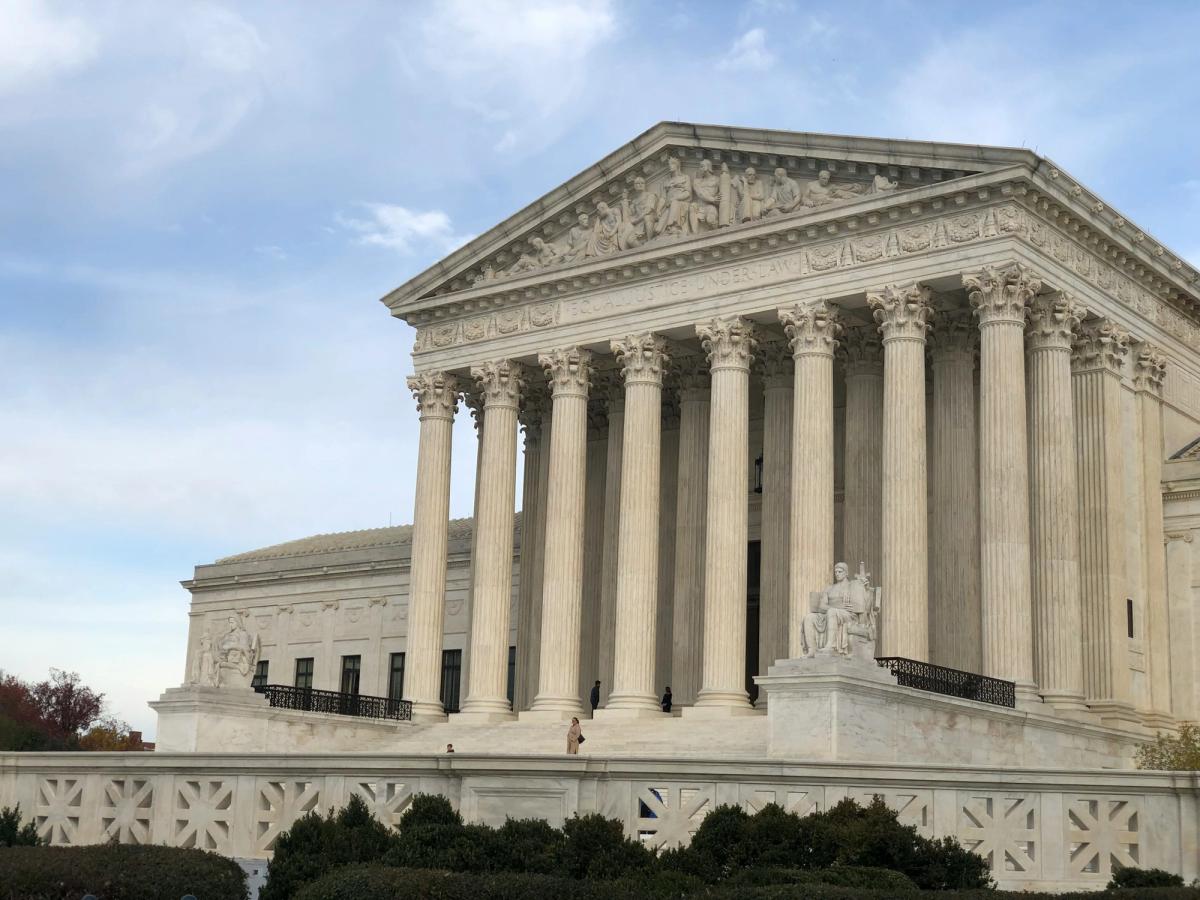









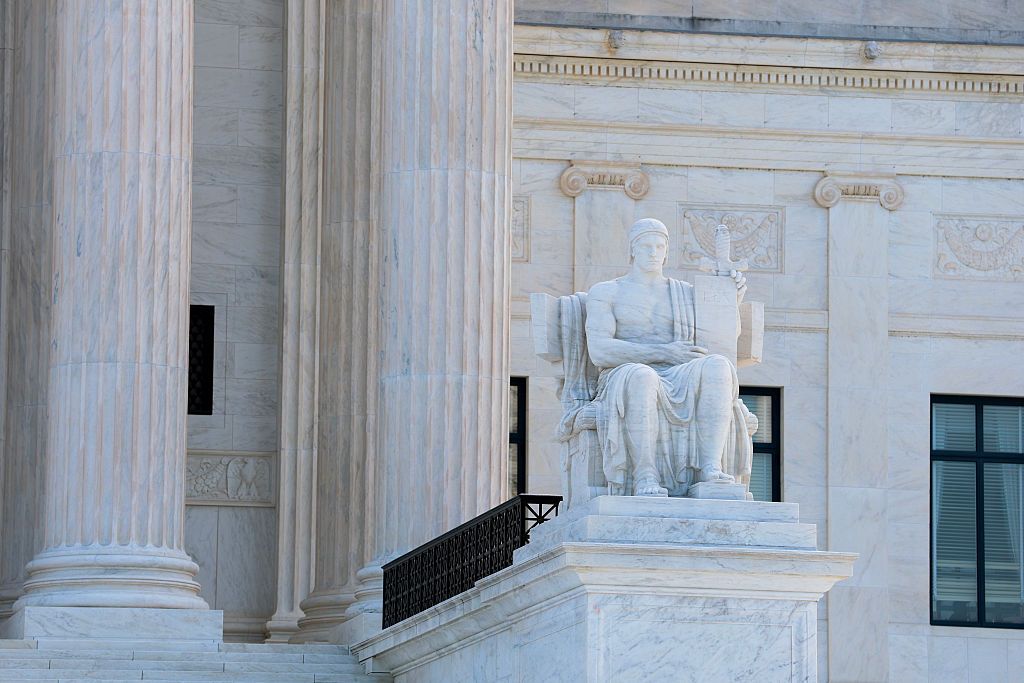
The Supreme Court on Monday morning added a new case to its oral argument docket for the 2026-27 term. As part of a regularly scheduled summer order list, the justices agreed to review Jouppi v. Alaska, an Alaskan bush pilot’s challenge to the forfeiture of his $95,000 airplane – which prosecutors sought on the theory that he must have known that one of his passengers was bringing a six-pack of beer into an Alaskan village where alcohol is prohibited. That forfeiture, pilot Ken Jouppi contends, violates the Eighth Amendment’s ban on excessive fines.
Monday’s order list was the first of three scheduled for release during the justices’ summer recess. As the court’s Public Information Office explained in a press release earlier this month, “
The summer order list can also sometimes serve another function: helping the court to fill out its argument docket for the next term. Although the justices rarely use this option, they have occasionally done so. In 2012, for example, the court took up one new case, involving an international convention on child abductions, on its August order list. And in August 2021, the justices added two new immigration cases to their docket for the fall.
Before Monday’s grant in Jouppi, the justices had 24 cases scheduled for oral argument in their 2026-27 term. Assuming that the justices hear no more than two arguments per day, there are a total of 30 argument slots in the court’s October, November, and December argument sessions.
The case now before the court began more than 14 years ago, when Jouppi was scheduled to fly a passenger from Fairbanks to Beaver, Alaska – approximately a one-hour flight. Before Jouppi took off, state troopers arrived at the airport, searched his plane, found the beer that the passenger was bringing to her husband in Beaver, and charged both the passenger and Jouppi (as well as his company) with knowingly bringing alcohol to a “dry” village.
Jouppi was found guilty. The trial judge sentenced him to three days in prison and ordered him to pay a fine of $1,500.
The state also sought to forfeit Jouppi’s plane. The Alaska Supreme Court ruled that the forfeiture did not violate the Constitution. In its view, “the forfeiture of Jouppi’s airplane is not grossly disproportional to the gravity of the offense for which he has been convicted and, therefore … does not violate the Excessive Fines Clause of the Eighth Amendment.”
Jouppi then came to the Supreme Court in August, asking the justices to decide whether, to determine if a fine violates the excessive fines clause, courts should consider the gravity of the specific defendant’s conduct. The justices on Monday granted review without comment; the case will likely be argued in December.
The justices are scheduled to issue their next summer order list on Monday, Aug. 17.
Continue reading...
[ H/T SCOTUSblog ]