




Proposed US Deal For Saudi Nuclear Enrichment Is Without Safeguards
Via Middle East Eye
The Trump administration has greenlit Saudi Arabia's nuclear enrichment project, but with no safeguards in place to prevent the development of a bomb, CNN reported on Friday.
The draft deal, viewed by the news outlet, showed Washington's support for Riyadh’s civilian nuclear program is still awaiting President Donald Trump’s signature, despite US-Saudi negotiations concluding in October.
via AFP
Unnamed officials cited in the story indicated that the documents, which include the mandatory "123 agreement" and safeguards protocols, have not yet been sent to Congress, potentially for fear of bipartisan pushback.
It is unclear how long the president will wait, given Congress is likely to switch hands to a Democratic majority after the November elections, stymying his policy agenda.
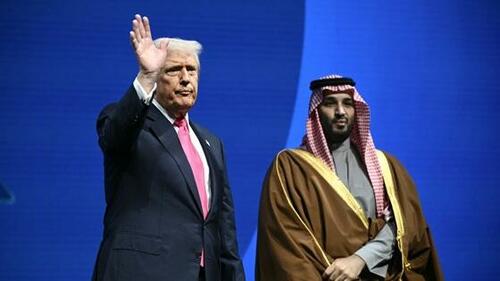
Crown Prince Mohammed bin Salman and his advisors have long pushed for a deal that would allow them to enrich uranium, which they say the kingdom holds vast reserves of.
“We will enrich it and we will sell it and we will do a ‘yellowcake'," Saudi Energy Minister Prince Abdulaziz bin Salman said last year, referring to a step in the process that comes after mining but before enrichment.
The Saudi push to be included under the US’s nuclear umbrella was a key issue during the Saudi crown prince's visit to the White House in November last year. Days after Israel attacked Hamas negotiators in Qatar earlier in the year, Saudi Arabia signed a defence pact with Pakistan, the only nuclear-armed state in the Muslim world.
Pakistan is estimated to possess around 170 nuclear warheads. Saudi and Pakistani descriptions of the deal said it encompassed all military options.
The Americans’ nuclear talks with Saudi Arabia have been kept under tight wraps, but one former US intelligence official previously told Middle East Eye that the idea of extending protection to the kingdom could serve a purpose. “It would pull them out of the Pakistanis’ nuclear umbrella and make the Saudis feel better than the Qataris," he said at the time.
In February, the Trump administration notified Congress it is pursuing a civil nuclear pact with Riyadh that does not include non-proliferation safeguards it has traditionally imposed on countries to prevent them from developing nuclear weapons.
The language in the document also leaves room for Saudi Arabia to enrich uranium, as it stipulates “additional safeguards and verification measures to the most sensitive areas of potential nuclear cooperation" between the two countries, including enrichment and reprocessing, the report said.
A nuclear deal with Saudi Arabia that does not explicitly prohibit the kingdom’s potential to enrich uranium in the future would be much more transformative for the region than a separate deal for F-35 warplanes that the Trump administration is pursuing. In nuclear agreements with foreign governments, for example, the UAE, the US made cooperation conditional on commitments that they will not enrich uranium or reprocess spent nuclear fuel.
The UAE, Morocco and dozens of European and Asian countries have signed the so-called "123 Agreements" with the US. US law generally requires a 123 Agreement to be in force before licensing significant exports of US-origin nuclear material or equipment to a foreign country.
In addition to a 123 Agreement, US lawmakers have insisted that the US require Saudi Arabia to submit to what is called the "Additional Protocol", which allows the United Nations’ International Atomic Energy Agency (IAEA) additional access to nuclear facilities, data, and undeclared sites.
The UAE, the only other Gulf state to have officially partnered with the US in nuclear energy, signed the Additional Protocol to its IAEA agreement in 2009.
Reuters reported, however, that the Trump administration sent a preliminary report to some heads of congressional committees in November, which it is required to send if it is not pursuing the Additional Protocol. The Reuters report underscores how Trump is putting deal-making at the centre of his diplomacy, even if it means chafing at the traditional concerns of the US foreign policy establishment.
Tyler Durden Tue, 07/21/2026 - 03:30
Continue reading...
[ H/T ZeroHedge ]
Via Middle East Eye
The Trump administration has greenlit Saudi Arabia's nuclear enrichment project, but with no safeguards in place to prevent the development of a bomb, CNN reported on Friday.
The draft deal, viewed by the news outlet, showed Washington's support for Riyadh’s civilian nuclear program is still awaiting President Donald Trump’s signature, despite US-Saudi negotiations concluding in October.
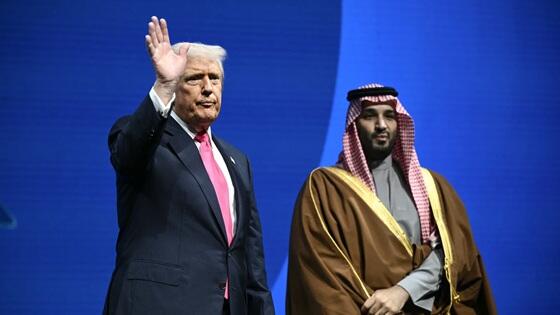
via AFP
Unnamed officials cited in the story indicated that the documents, which include the mandatory "123 agreement" and safeguards protocols, have not yet been sent to Congress, potentially for fear of bipartisan pushback.
It is unclear how long the president will wait, given Congress is likely to switch hands to a Democratic majority after the November elections, stymying his policy agenda.
Crown Prince Mohammed bin Salman and his advisors have long pushed for a deal that would allow them to enrich uranium, which they say the kingdom holds vast reserves of.
“We will enrich it and we will sell it and we will do a ‘yellowcake'," Saudi Energy Minister Prince Abdulaziz bin Salman said last year, referring to a step in the process that comes after mining but before enrichment.
Nuclear umbrella
The Saudi push to be included under the US’s nuclear umbrella was a key issue during the Saudi crown prince's visit to the White House in November last year. Days after Israel attacked Hamas negotiators in Qatar earlier in the year, Saudi Arabia signed a defence pact with Pakistan, the only nuclear-armed state in the Muslim world.
Pakistan is estimated to possess around 170 nuclear warheads. Saudi and Pakistani descriptions of the deal said it encompassed all military options.
The Americans’ nuclear talks with Saudi Arabia have been kept under tight wraps, but one former US intelligence official previously told Middle East Eye that the idea of extending protection to the kingdom could serve a purpose. “It would pull them out of the Pakistanis’ nuclear umbrella and make the Saudis feel better than the Qataris," he said at the time.
In February, the Trump administration notified Congress it is pursuing a civil nuclear pact with Riyadh that does not include non-proliferation safeguards it has traditionally imposed on countries to prevent them from developing nuclear weapons.
The language in the document also leaves room for Saudi Arabia to enrich uranium, as it stipulates “additional safeguards and verification measures to the most sensitive areas of potential nuclear cooperation" between the two countries, including enrichment and reprocessing, the report said.
A nuclear deal with Saudi Arabia that does not explicitly prohibit the kingdom’s potential to enrich uranium in the future would be much more transformative for the region than a separate deal for F-35 warplanes that the Trump administration is pursuing. In nuclear agreements with foreign governments, for example, the UAE, the US made cooperation conditional on commitments that they will not enrich uranium or reprocess spent nuclear fuel.
The UAE, Morocco and dozens of European and Asian countries have signed the so-called "123 Agreements" with the US. US law generally requires a 123 Agreement to be in force before licensing significant exports of US-origin nuclear material or equipment to a foreign country.
In addition to a 123 Agreement, US lawmakers have insisted that the US require Saudi Arabia to submit to what is called the "Additional Protocol", which allows the United Nations’ International Atomic Energy Agency (IAEA) additional access to nuclear facilities, data, and undeclared sites.
The UAE, the only other Gulf state to have officially partnered with the US in nuclear energy, signed the Additional Protocol to its IAEA agreement in 2009.
Reuters reported, however, that the Trump administration sent a preliminary report to some heads of congressional committees in November, which it is required to send if it is not pursuing the Additional Protocol. The Reuters report underscores how Trump is putting deal-making at the centre of his diplomacy, even if it means chafing at the traditional concerns of the US foreign policy establishment.
Tyler Durden Tue, 07/21/2026 - 03:30
Continue reading...
[ H/T ZeroHedge ]