









Guest Post by John Rubino
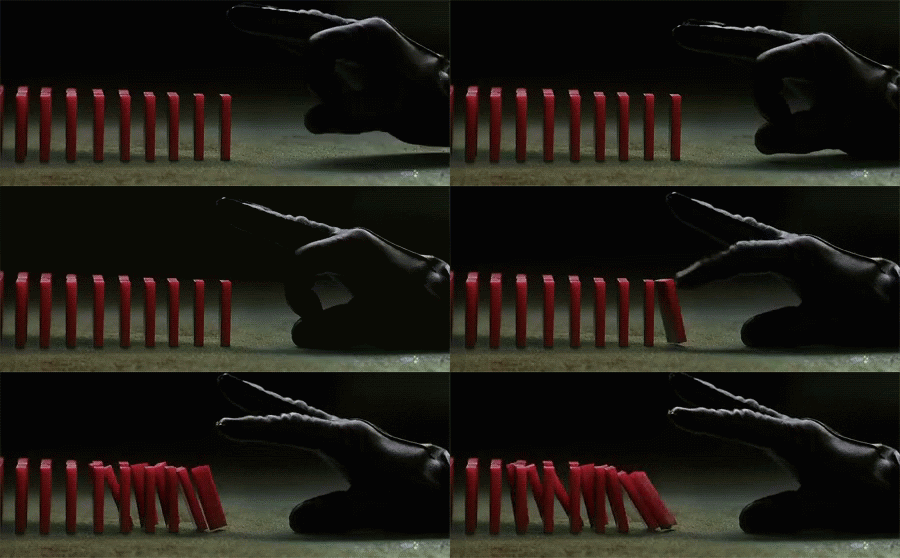
There are three groups that, together, will tank the housing market in the coming year:
When these guys start panic selling, the market-clearing price will turn out to be 40% below today’s levels.
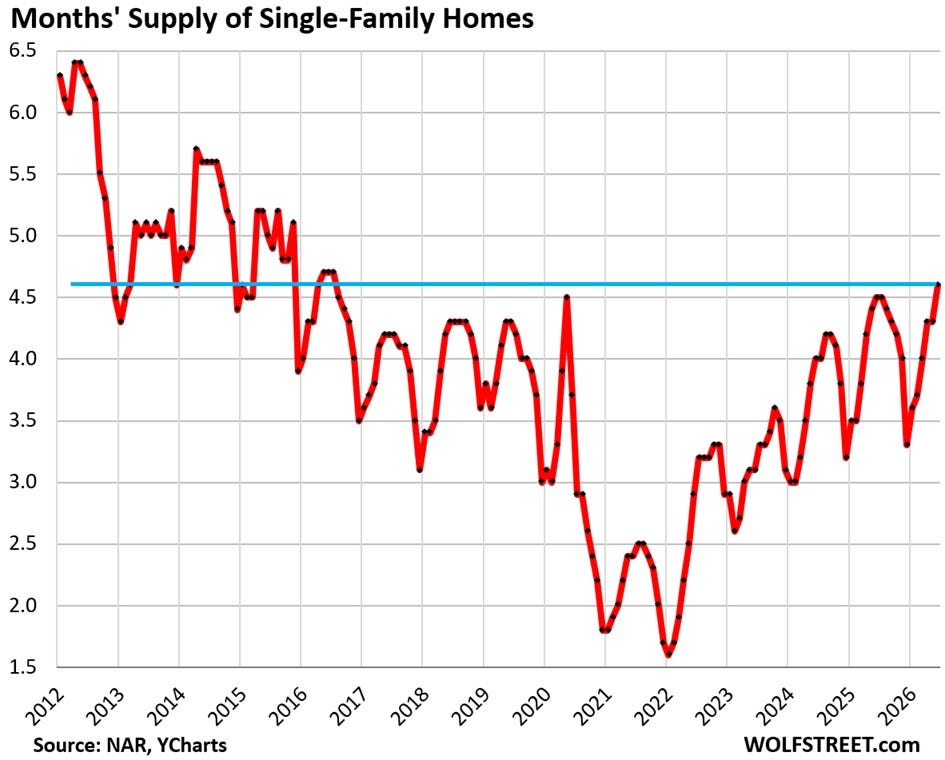
Has that process begun? Maybe. Inventories of homes for sale are piling up…
…while at least one of the big three sources of supply has begun selling:
Hedge funds are not sentimental. When their outlook changes, they liquidate. In that sense, housing is no different from dot-com stocks or mortgage-backed bonds. If the story breaks, panic selling will ensue.
Tweet
Continue reading...
[ H/T The Burning Platform ]
The first housing bubble domino?
There are three groups that, together, will tank the housing market in the coming year:
- Boomers who can’t manage their three-story McMansions and therefore have to sell.
- Airbnb entrepreneurs who built mini-empires that are now bleeding cash, leaving them with no choice but to liquidate.
- Wall Street firms that bought huge numbers of houses and turned them into overpriced rentals, who see the political/financial tides turning and have begun dumping their inventory.
When these guys start panic selling, the market-clearing price will turn out to be 40% below today’s levels.
Has that process begun? Maybe. Inventories of homes for sale are piling up…
…while at least one of the big three sources of supply has begun selling:
Wall Street’s History of Panic Selling
Hedge funds are not sentimental. When their outlook changes, they liquidate. In that sense, housing is no different from dot-com stocks or mortgage-backed bonds. If the story breaks, panic selling will ensue.
Tweet
Continue reading...
[ H/T The Burning Platform ]