

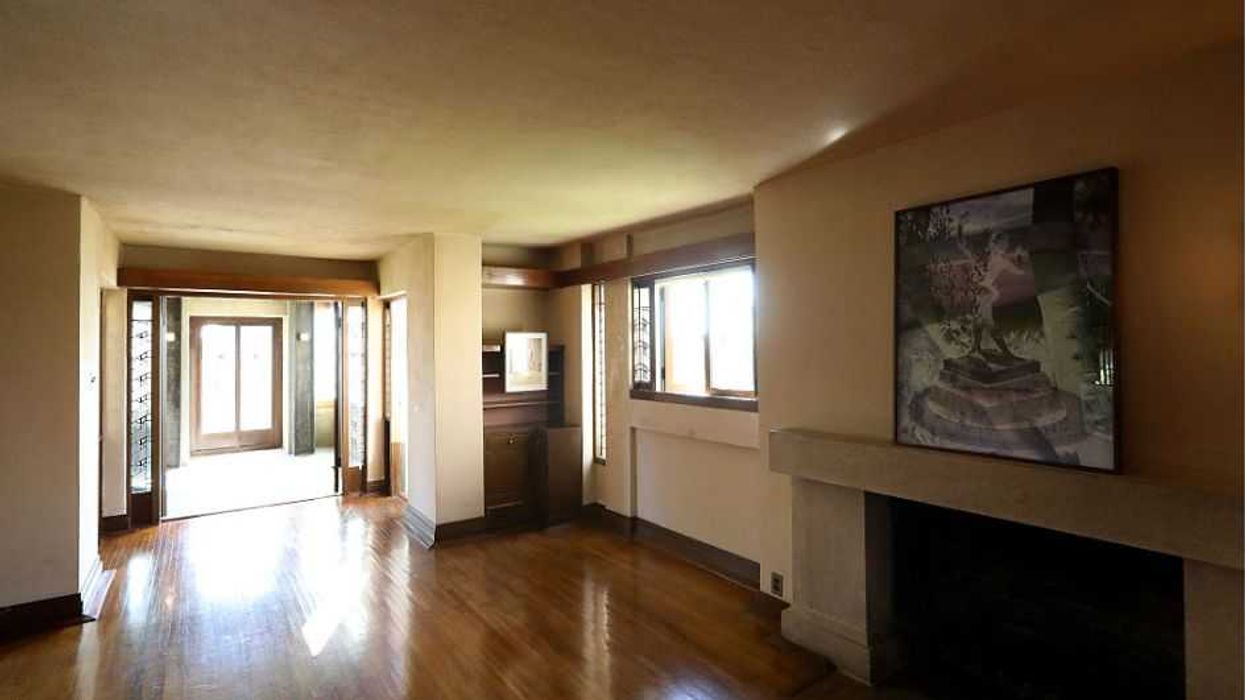
Would you ever spend so much on a house that you had no money left to furnish it?
It sounds absurd to me, as I imagine it does to you. But apparently, it's fairly common these days. I don't personally know anyone like this, but I do know enough people who are house poor that the extreme version seems at least plausible.
Financial overextension is, in one sense, a numbers problem. But it’s also something deeper.
Especially since we don’t see inside most homes. We drive by a place with six bedrooms, seven bathrooms, and a five-car garage and assume wealth. We assume comfort. We assume it’s all filled in.
Chairs optional
That assumption is increasingly outdated. A big house doesn’t necessarily mean someone can afford it. It just means they’re willing — or able — to make the monthly payment. Everything else is optional.
That’s not entirely new. Mortgages have been around forever. But the willingness to stretch to the absolute limit — and beyond — does feel more common now than it used to.
You could point to low interest rates or lending practices. That’s part of the story. But I’m less interested in the financial mechanics than the cultural impulse behind it. Why do people feel the need to live this way?
Here comes the neighborhood
The obvious answer is keeping up with the Joneses. But even that has changed. It used to mean keeping pace with your neighbors, the people down the street. And even then, there was only so much of their lives you could see. There were natural limits.
Social media has erased those limits; now we all share one big neighborhood, in which everyone is empowered and encouraged to exaggerate their affluence. And that makes it much harder to remember what normal actually looks like.
Realism isn’t what’s rewarded on Instagram, TikTok, or X. Performative realism, maybe. But not the real thing. Spend enough time scrolling and you start to believe that everyone has the renovated kitchen, the extra cars, the perfect bathrooms. You start to feel like you’re behind.
So people stretch. They buy the house. They take on the payment. They tell themselves they’ll figure out the rest later. And in doing so, they become the next set of Joneses for someone else to chase.
RELATED: Why we're saying no to the cult of travel sports

Empty rooms, empty souls
Once you’re on that treadmill, it’s hard to get off. You work more to afford more. You feel stressed because you’re always one setback away from trouble. You justify new purchases because you’ve “earned” them. And any attempt to scale back feels like failure — like slipping backward.
Keep that up long enough and you can end up in a strange place: the proud owner of a house you can’t really afford, with rooms you can’t afford to fill.
But from the outside, it looks great.
At bottom, this is materialism run wild — an inversion of priorities. Things elevated beyond their proper place. Consumption standing in for meaning. And it’s widespread enough that it’s hard to single anyone out for it.
There’s no simple fix at a societal level. But on a personal level, the starting point is obvious: Take an honest look at what you’re spending, why you’re spending it, and whether it’s actually making your life better — or just making it look better.
That’s not new wisdom. Most of our grandparents understood it.
Financial overextension is, in one sense, a numbers problem. But it’s also something deeper. A sign that our values are out of order. That we’ve lost track of what actually matters.
The empty, oversized house is a fitting image for the culture that produces it.
Big and impressive on the surface. Empty inside.
The post <a href=https://www.theblaze.com/align/when-your-rich-neighbor-can-t-afford-furniture target=_blank >When your 'rich' neighbor can't afford furniture</a> appeared first on Conservative Angle | Conservative Angle - Conservative News Clearing House
Continue reading...