
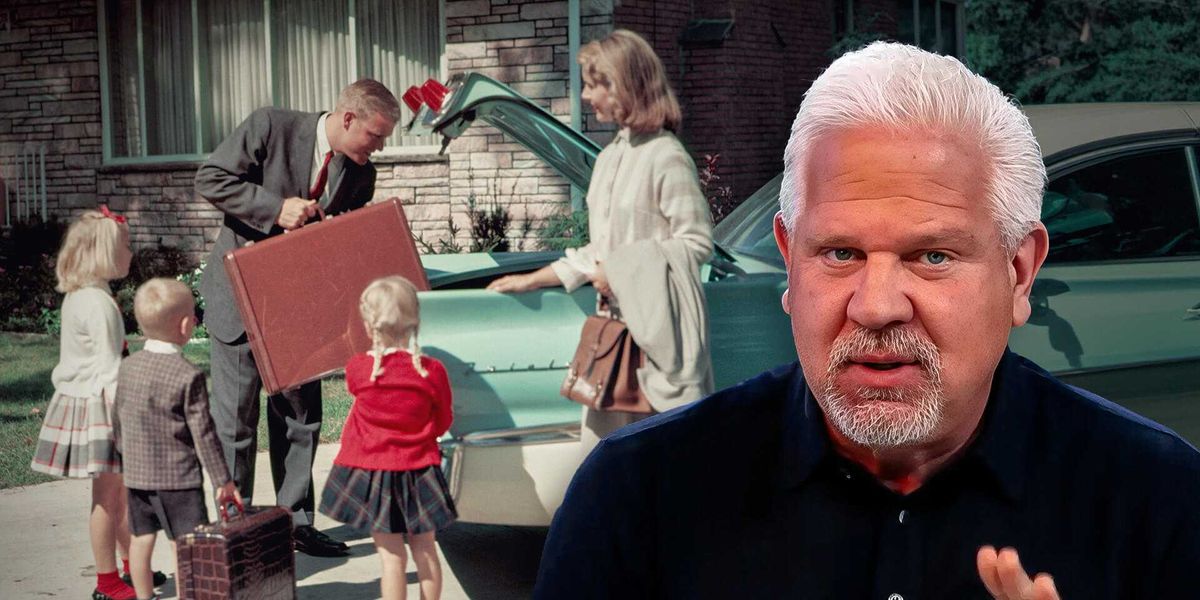
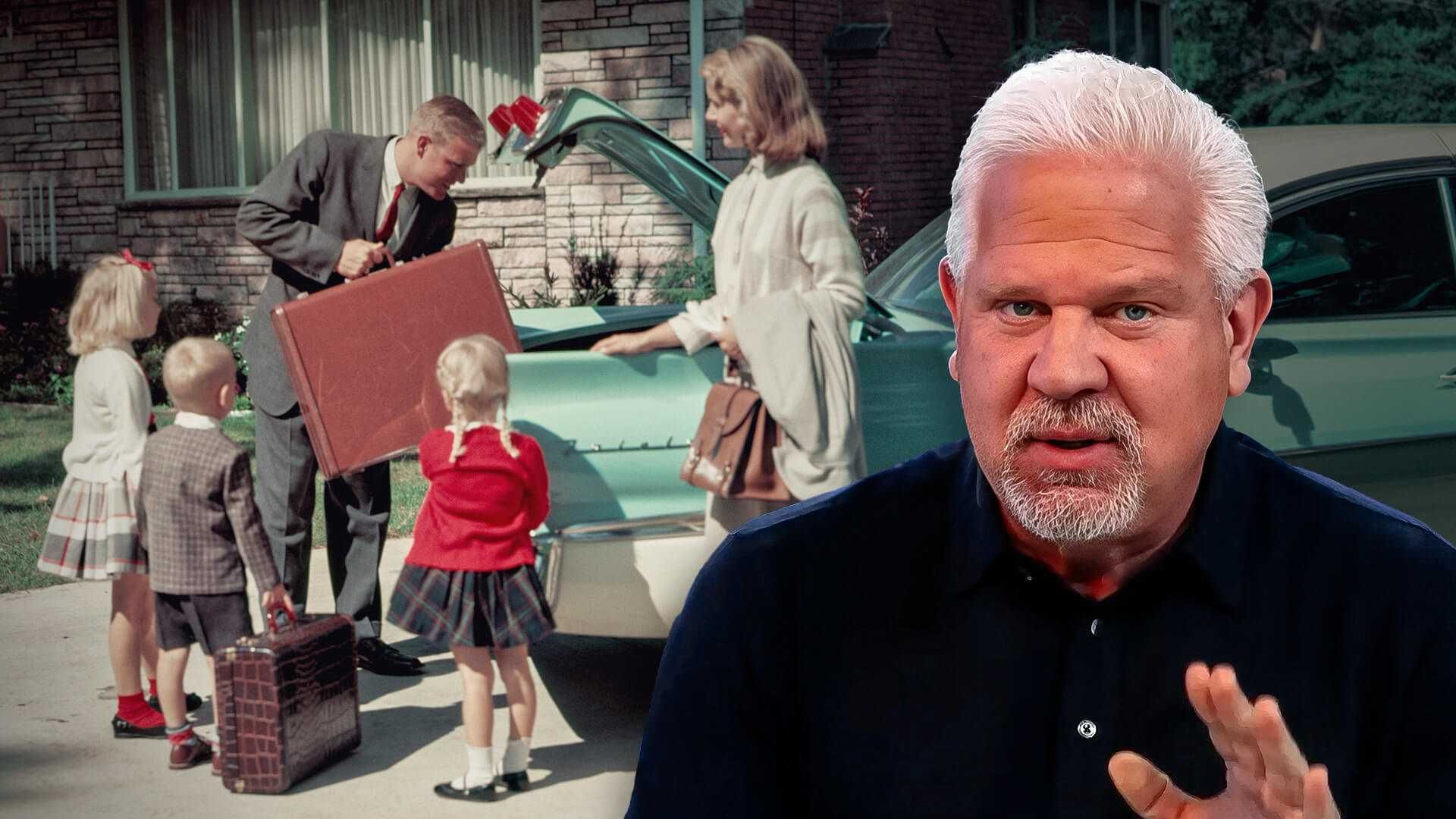
Many Americans today feel as if home ownership is a pipe dream. The prices, even for modest homes, are just too steep.
But why? What’s the real reason homes have become so unaffordable?
The answer is multifaceted, says Glenn Beck.
No doubt the broken economy is part of the problem. “We have to fix the fraud,” he urges. “The latest numbers from the GAO, the Government Accounting Office, is that they estimate that our government loses between $233 billion and $521 billion every year based on fraud between 2018 through 2022.”
However, there’s another factor most are unwilling to grapple with: Our expectations have increased.
In the 1950s — “the golden era of America,” says Glenn — the average size home for a family of four was “983 square feet.” Today, it’s “2,500 square feet.”
“If I told you you could afford a modest home of that size (under 1,000 square feet) and raise your family in it, would you take it?” he asks.
But the main driver behind the skyrocketing price of homes, he says, is the increase in land prices.
“Why is land so expensive?” Glenn asks. “Because our government made it that way” through “zoning laws, permits, restrictions, [and] endless layers of EPA approval.”
“We didn’t run out of land. We restricted the access to the land,” he emphasizes.
Add to that the immigration boom, which led to “an overwhelming demand for homes,” and you get the situation we’re in today.
But America has been in a similar predicament before and survived it, says Glenn. After WWII, millions of soldiers returned home eager to buy homes and start families, resulting in a housing shortage “far, far worse in many ways than what we’re facing today.”
Our answer back then was simply to build faster.
“Homes were built in days, not months — days,” says Glenn, noting that “the GI Bill,” “the interstate highway system [opening] up the land that had never been reachable before,” and “the government [getting] out of the way” are what allowed this to happen.
“Prices rose at first because everybody needed a home, and then they stabilized because supply caught up with demand,” he continues.
But today, things are different.
Instead of “unleashing builders,” we’re “restraining them”; instead of “expanding supply,” we’re “constraining it,” says Glenn.
“This is why the most important number is not the price of a home. It is the ratio between a home price and income,” he explains. “In 1960, the average cost was two times the average annual income. Today it’s over five times.”
“That’s the difference between opportunity and exclusion; that’s the difference between a young family starting a life and one stuck renting indefinitely.”
Today, we’re a nation that believes more in “obstruction” than “building” — a nation that cares more about the “planet” than “people.”
Once upon a time, “the country believed that growth was good, expansion was good, opportunity was something that you created, not something that you rationed,” says Glenn, “and somewhere along the way, that whole mindset of America changed.”
“We didn’t lose the land. We didn’t lose the resources. We’ve lost the will. And until that changes, this doesn’t get fixed,” he warns.
Contrary to popular belief, the American dream isn’t dead, he insists. It’s simply on pause until we can fix the long list of issues barring many Americans from buying homes.
While we have little control over fraud, government regulation, and land prices, we do have control over our own mindsets. Glenn urges his listeners to remember that the American dream isn’t about status — “it’s about freedom and opportunity and hard work and faith and building a life with the people that you love.”
“Let’s remember what it means to actually be happy,” he pleads.
Want more from Glenn Beck?
To enjoy more of Glenn’s masterful storytelling, thought-provoking analysis, and uncanny ability to make sense of the chaos, subscribe to BlazeTV — the largest multi-platform network of voices who love America, defend the Constitution, and live the American dream.
Google Search
